You have 0 items in your cart
Smoked Trout
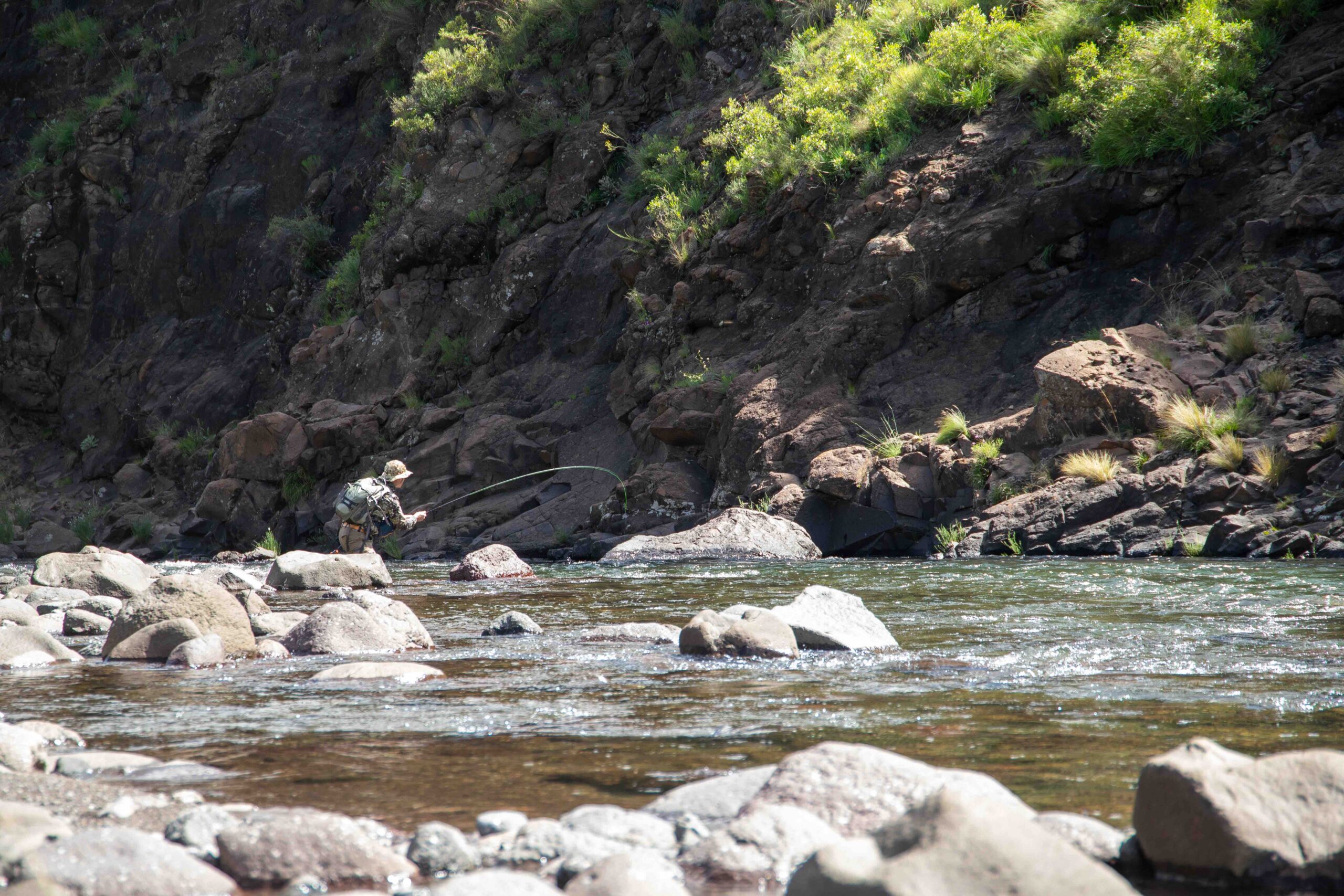
If you have ever searched for smoked trout, you have probably found dozens of complicated recipes. At Makhangoa Community Camp, we approach it differently. Here, smoked trout starts with the river and ends a few metres from the kitchen.
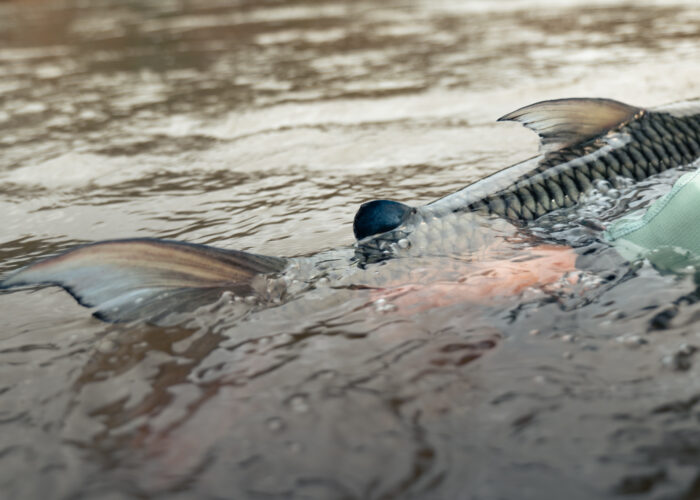
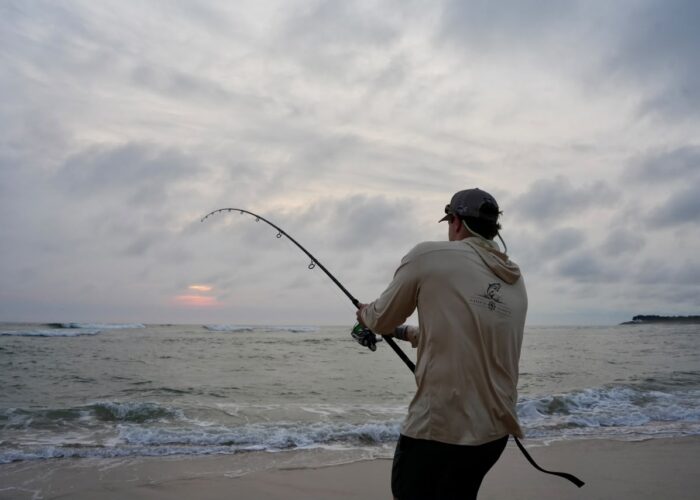
We are strictly catch and release on the Bokong River. The only exception is farmed trout that have escaped from Katse Dam. These fish compete with wild trout and are easy to distinguish once you know what to look for. Wild trout show vibrant colouration and clean, intact fins. Farmed escapees often have worn fins and flatter skin tones from time in cages.
After a good morning session, guest Don returned to camp with a farmed trout and a grin that said he knew exactly what would happen next. We had mentioned our Rooibos smoked trout earlier in the week, and the anticipation around camp was building.
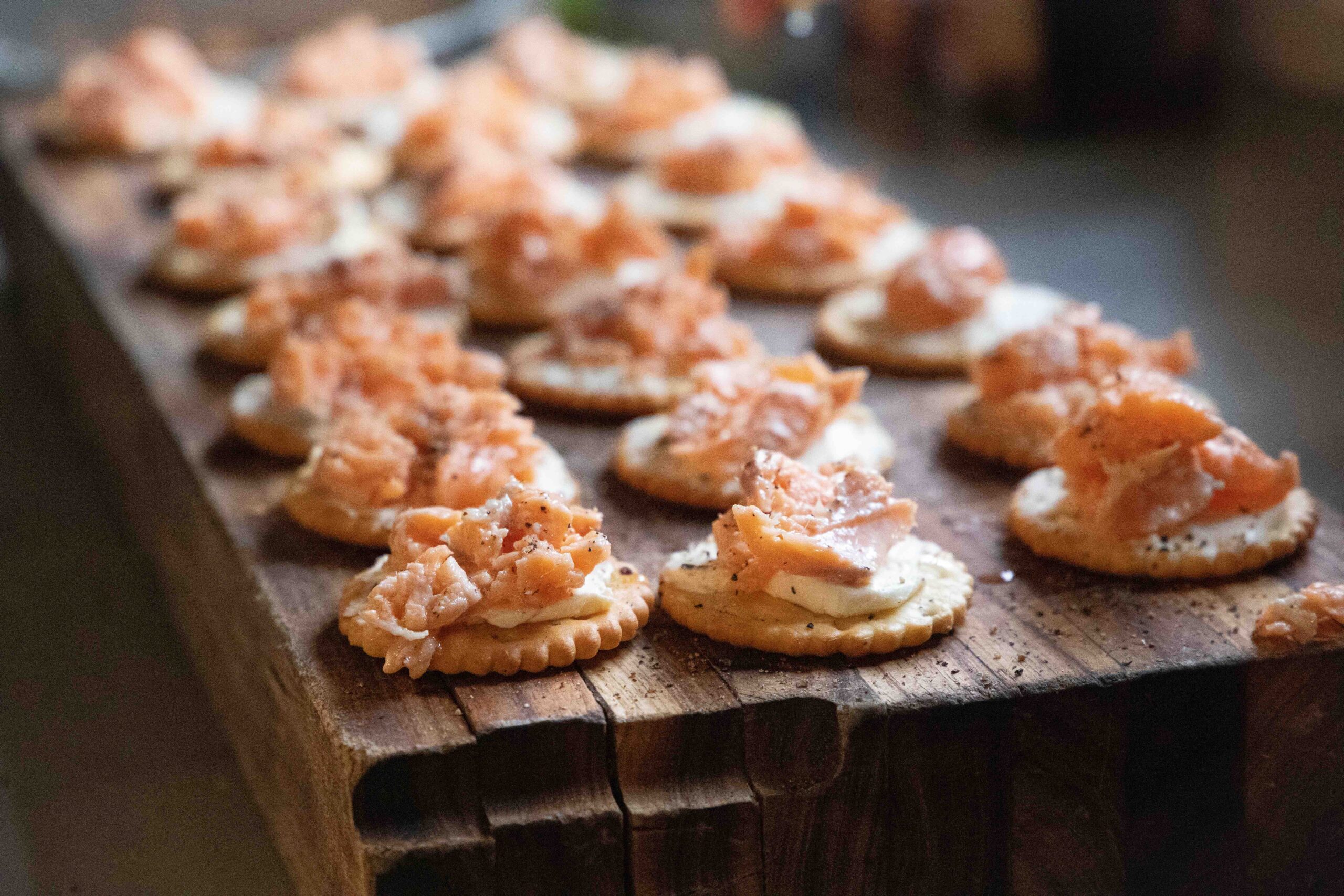
From River to Smoked Trout Canapés
James got straight to work filleting while Kyle considered the marinade. We have experimented over the years. Soy, ginger, honey and garlic have all had their moment. Occasionally we add a touch of chilli. But more often than not, we go back to basics.
Salt. Black pepper. Lemon.
When your trout was swimming an hour earlier, you do not need to mask it. You need to respect it.
That evening we kept things simple so our guests could taste the fish properly. Served ahead of slow-cooked lamb, it became an unplanned Bokong surf and turf. A few drops of Tabasco were optional, red or green depending on your heat tolerance.
Food in the mountains pushes you to use what is around you. If the vegetable garden is thriving, we finish the trout with freshly picked rocket and a final squeeze of lemon just before serving.
Have you ever noticed how different food tastes when you have caught it yourself?
If you want to try this at home, here is the exact approach we use in camp.
-
Identify your fish
Only keep fish where regulations allow it. In our case, that means farmed escapees. Wild trout are released. -
Prepare immediately
Bleed and fillet the trout as soon as possible. Leave the skin on to help hold the flesh together while smoking. -
Season lightly
Sprinkle with salt and cracked black pepper. Add fresh lemon juice. Let it rest for 15 to 20 minutes. -
Set up gentle smoke
We use Rooibos in our smoker for a subtle, earthy flavour. Keep the heat moderate. You are aiming for steady smoke, not high heat. -
Smoke until just firm
Depending on thickness, 15 to 25 minutes is usually enough. The flesh should flake easily but remain moist in the centre. -
Finish and serve
Add a final squeeze of lemon. Top with rocket or herbs if you have them. Serve warm as canapés or flake into salads.
It is uncomplicated and repeatable. That is the point.
By the end of the evening, with plates cleared and conversation drifting back to the river, there was only one thing on everyone’s mind. What would the Bokong deliver the next day, and what would we turn into munchies next?
If you want to experience fishing and food that genuinely connect, explore Makhangoa Community Camp on our website and start planning your mountain escape.
Written by Hannah Sharp – Chef and Host, Makhangoa Community Camp