You have 0 items in your cart
Tarpon Fishing From the Beach in Gabon
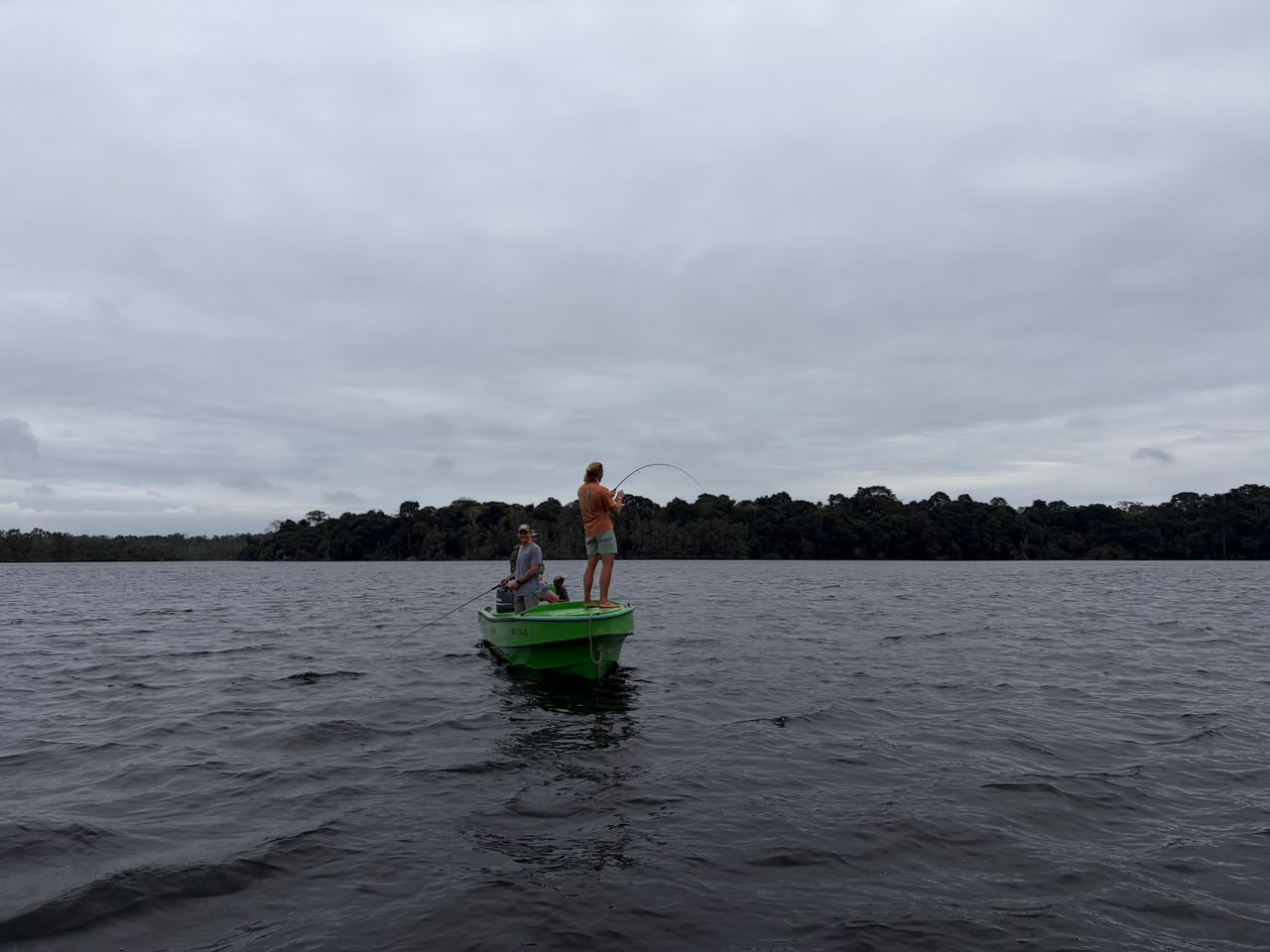
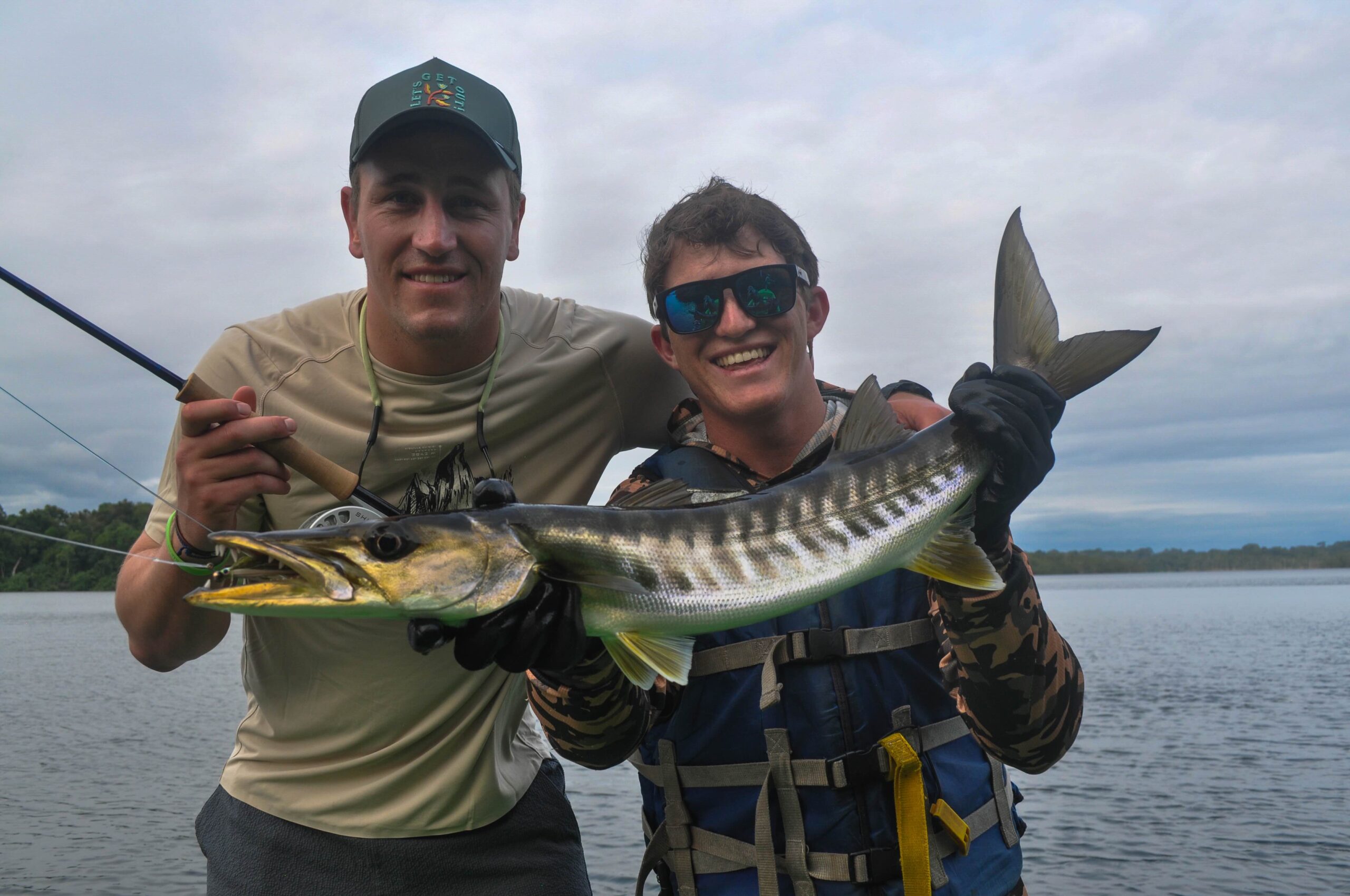
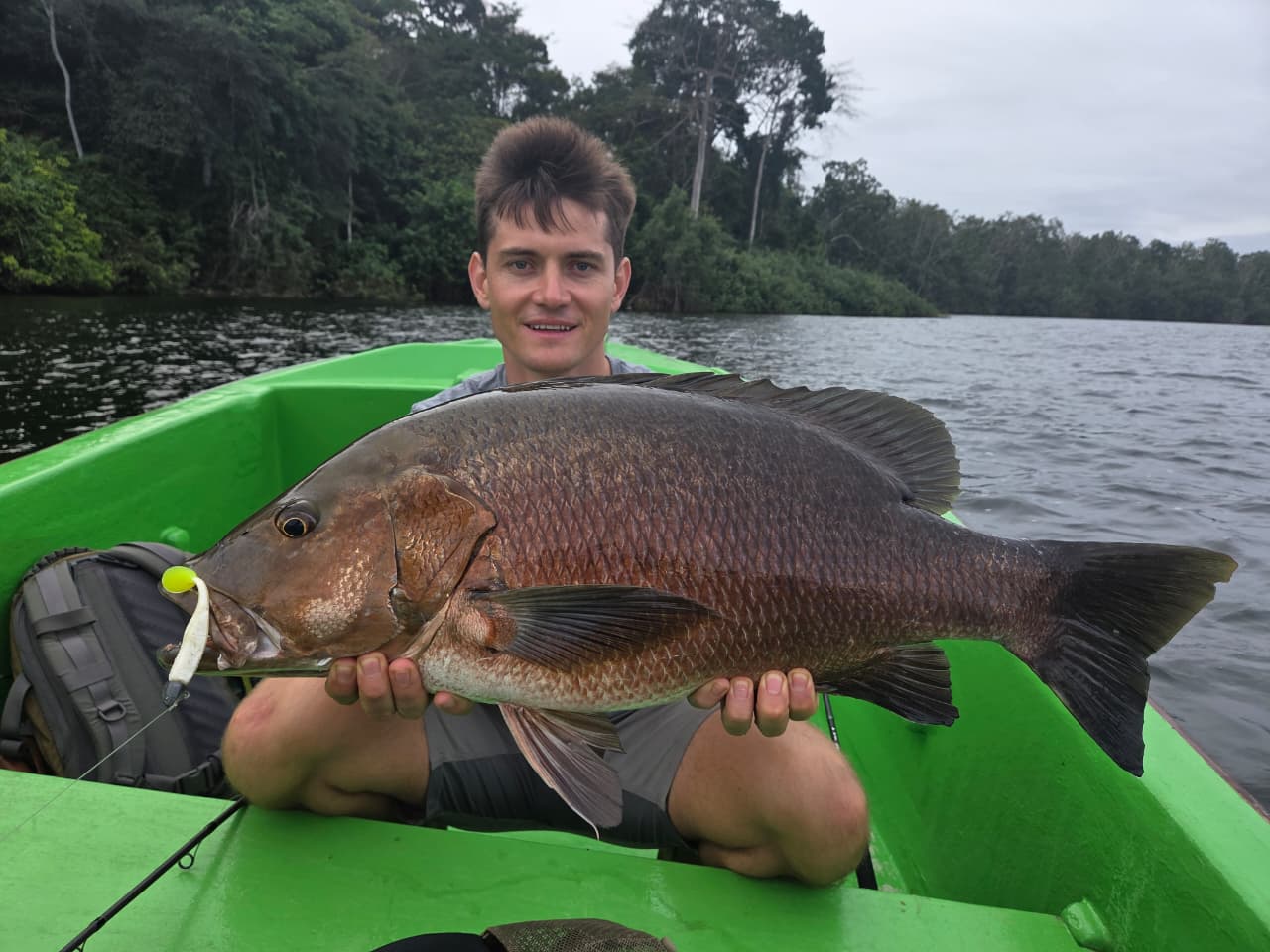
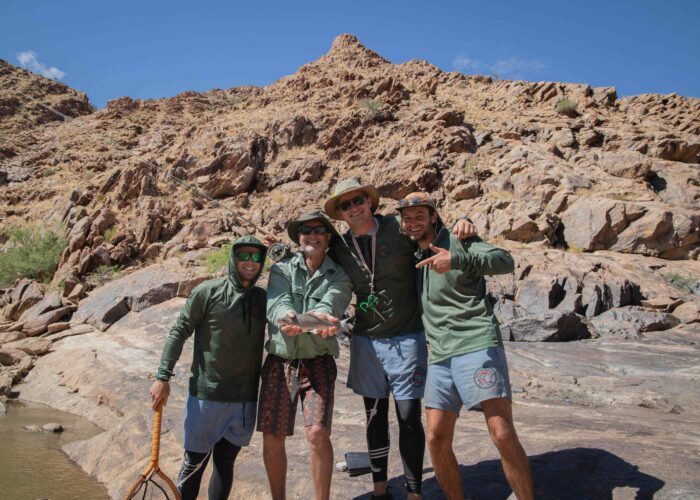
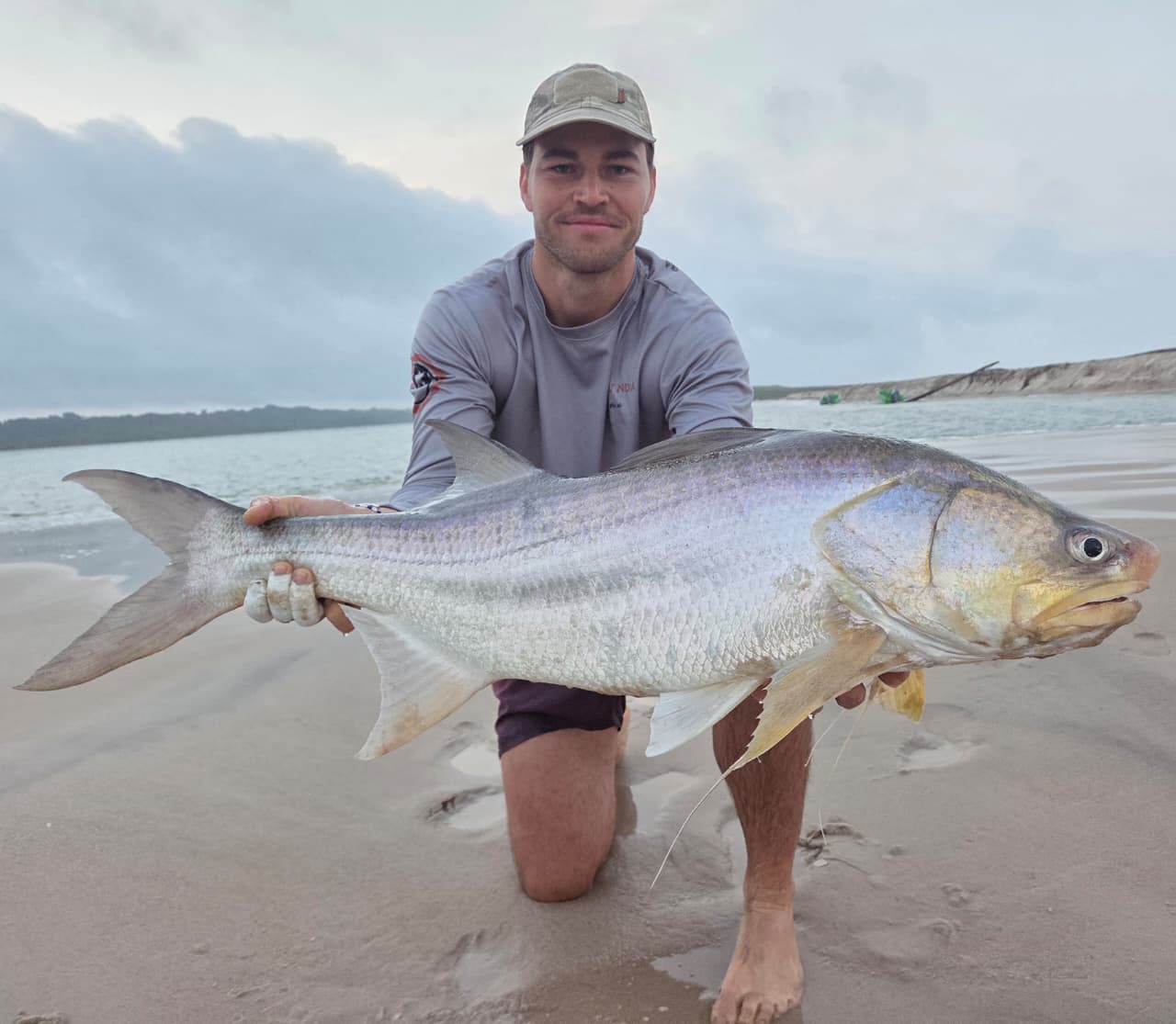
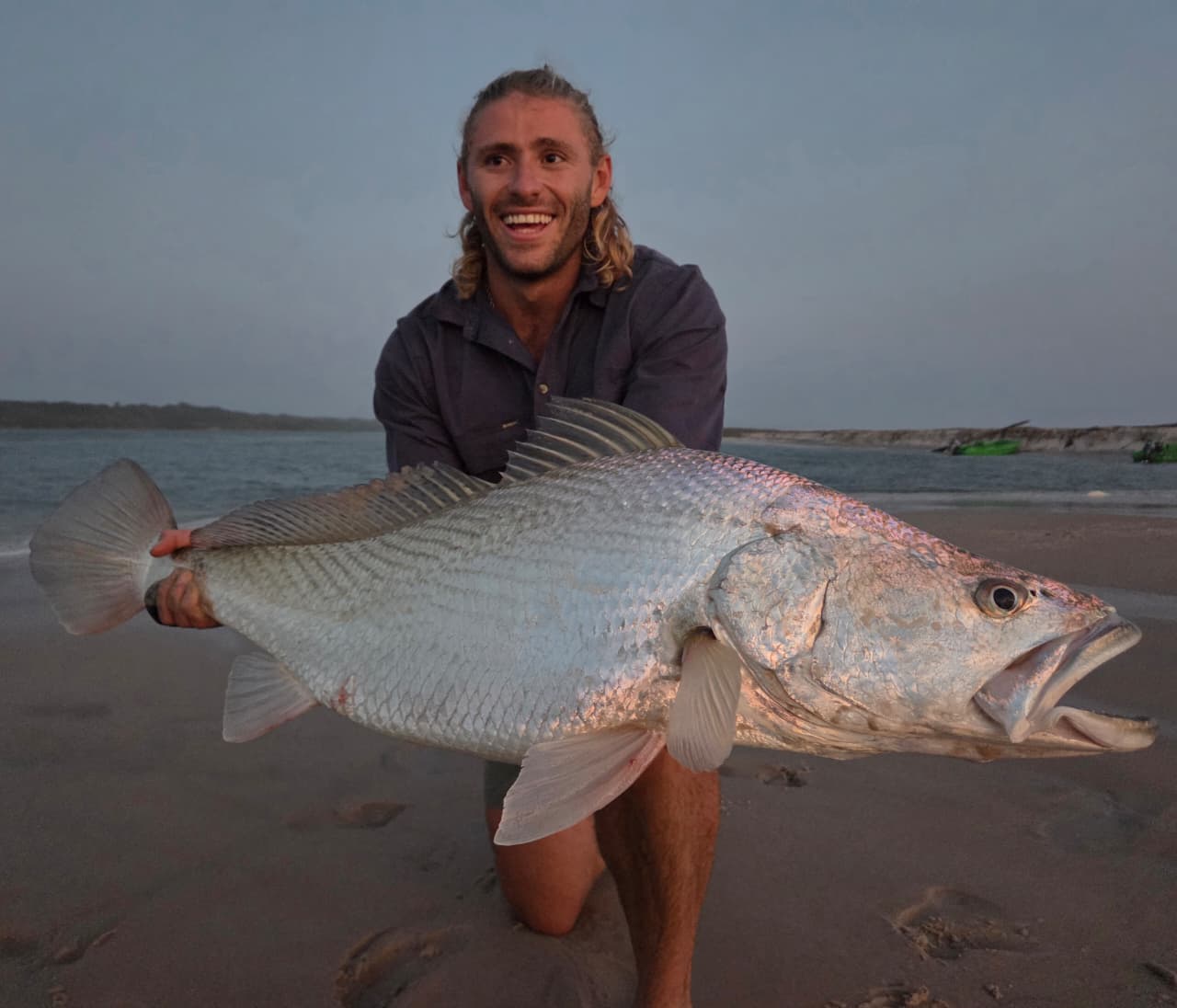
Tarpon fishing from the beach became the focus at Sette Cama this week, with Taru, Roan, Russel and James fishing a mix of conventional and fly gear through a new moon. Spring tides, no rain and a moderate sea kept most of the attention on the surf, where large schools of mullet were being pushed into remarkably shallow water by feeding tarpon.
It was one of those weeks where what was happening in front of the anglers mattered far more than the final numbers.
Reading the Tide
The new moon brought strong spring tides, and the tarpon settled into short feeding windows around slack water and the beginning of the dropping tide.
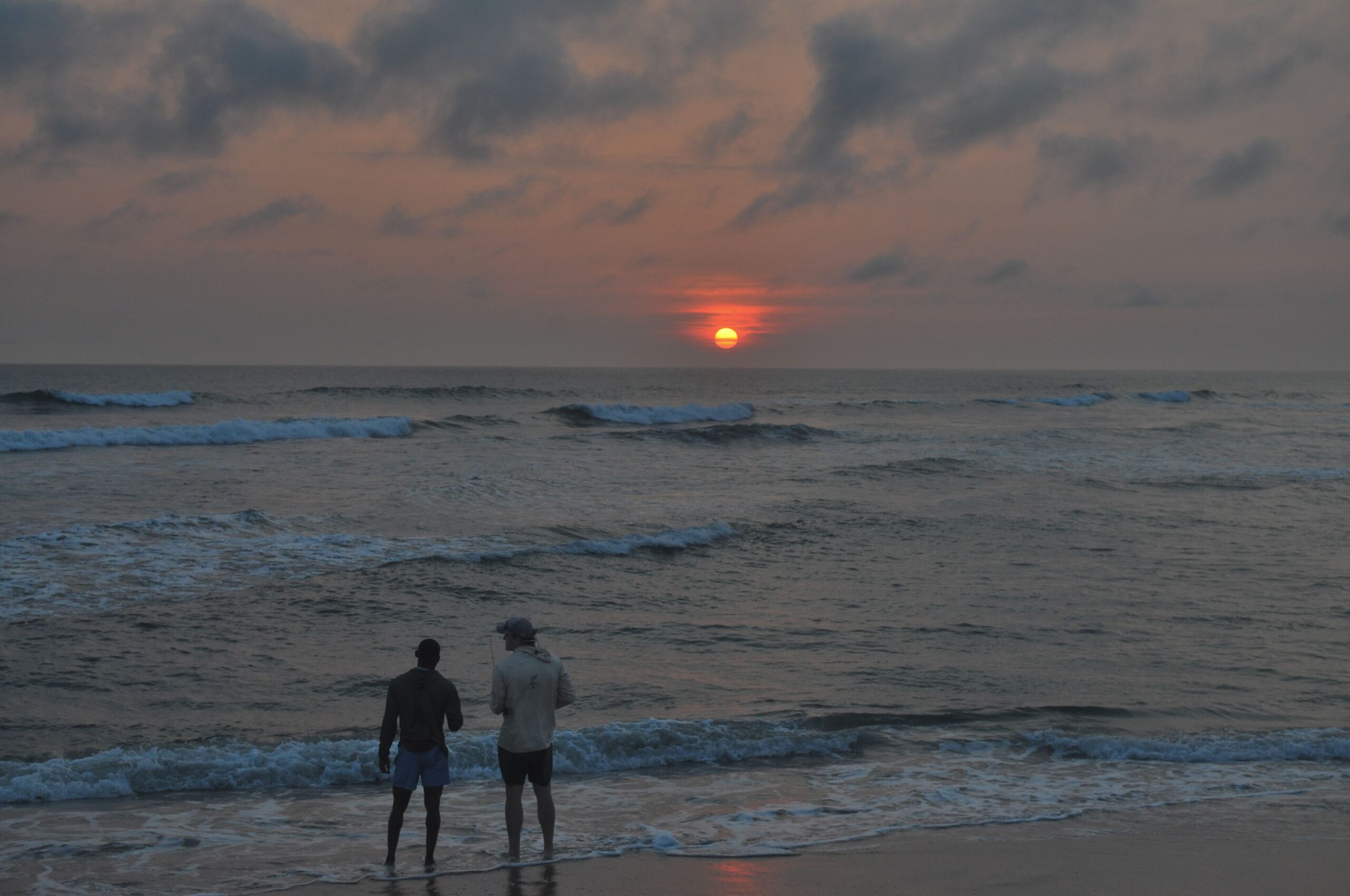
As water drained from the lagoon, large schools of mullet were pulled towards the mouth and pushed tight against the bank. Tarpon followed closely behind, feeding hard as the bait became concentrated in the shallows.
At times, the fish were extraordinarily close. Some pushed to within a few metres of the beach, feeding in water barely knee deep. During one session, Roan was standing in the shallows casting a fly at tarpon working the mullet ahead of him when another fish smashed a baitfish almost directly behind him.
With that much activity happening within casting distance of the beach, there was little reason to move away from the surf.
Plenty of Chances, Few Easy Fish
Seeing tarpon and landing them are two very different things.
Across the week, the group had roughly 25 proper encounters, from solid eats and brief hook-ups to fish that stayed connected for considerably longer. Sharks were never far away either.
James came close to landing one fish before it made a hard turn and its tail cut through the braid. Others threw the hook early, while several stayed connected long enough to give the anglers a proper look at what they had hooked before things came apart.
By the end of the week, only one tarpon had made it all the way to the beach.
The number does not tell much of the story, though. The group spent much of the week casting at visible fish feeding in shallow water, often only metres from where they stood. Opportunities came regularly. Converting them was the difficult part.
The Morning the Lures Stayed Behind
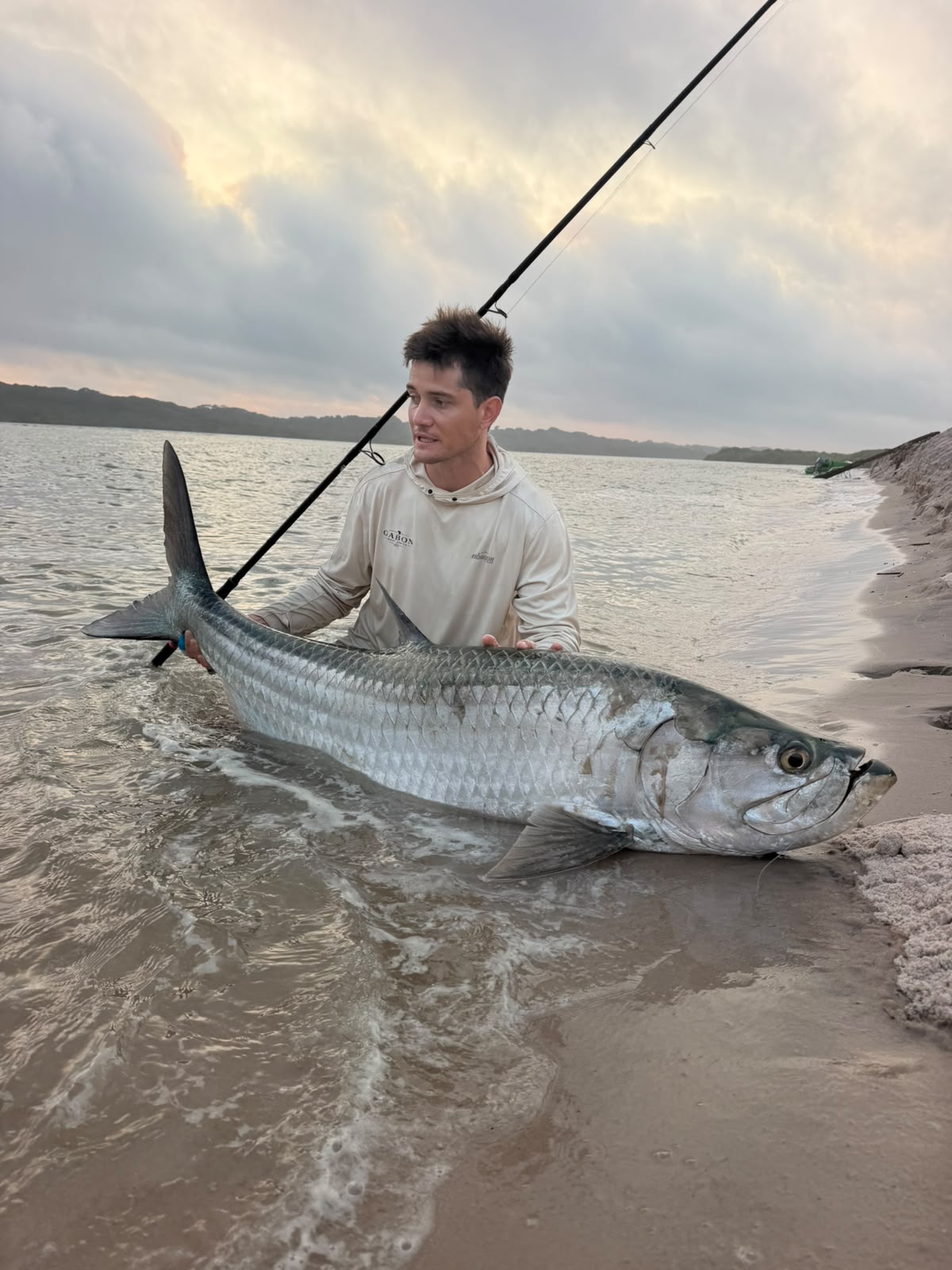
The fish that did make it to the beach came during an early morning session on the south bank with Aiden.
The group arrived around first light to find tarpon already working the mullet on the draining tide. In the rush to get fishing, they realised the main box of surf lures had been left back at camp. Aiden headed back to collect them while the anglers made use of what they had. Taru tied on a paddle tail and started casting into the feeding fish.
It worked.
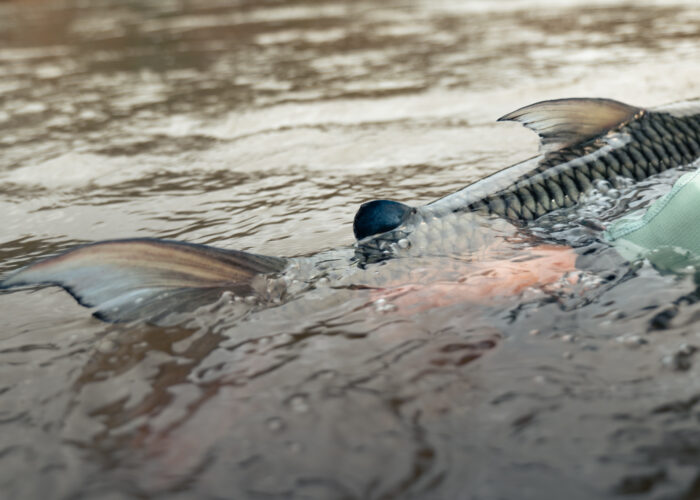
A tarpon ate in the shallows and immediately took off, stripping line before Taru was eventually able to work it towards the beach and bring it under control. After so many opportunities had ended differently during the week, this one held together.
Sometimes the plan does not need to be perfect. You just need to be ready when the opportunity presents itself.
More Than the Fishing
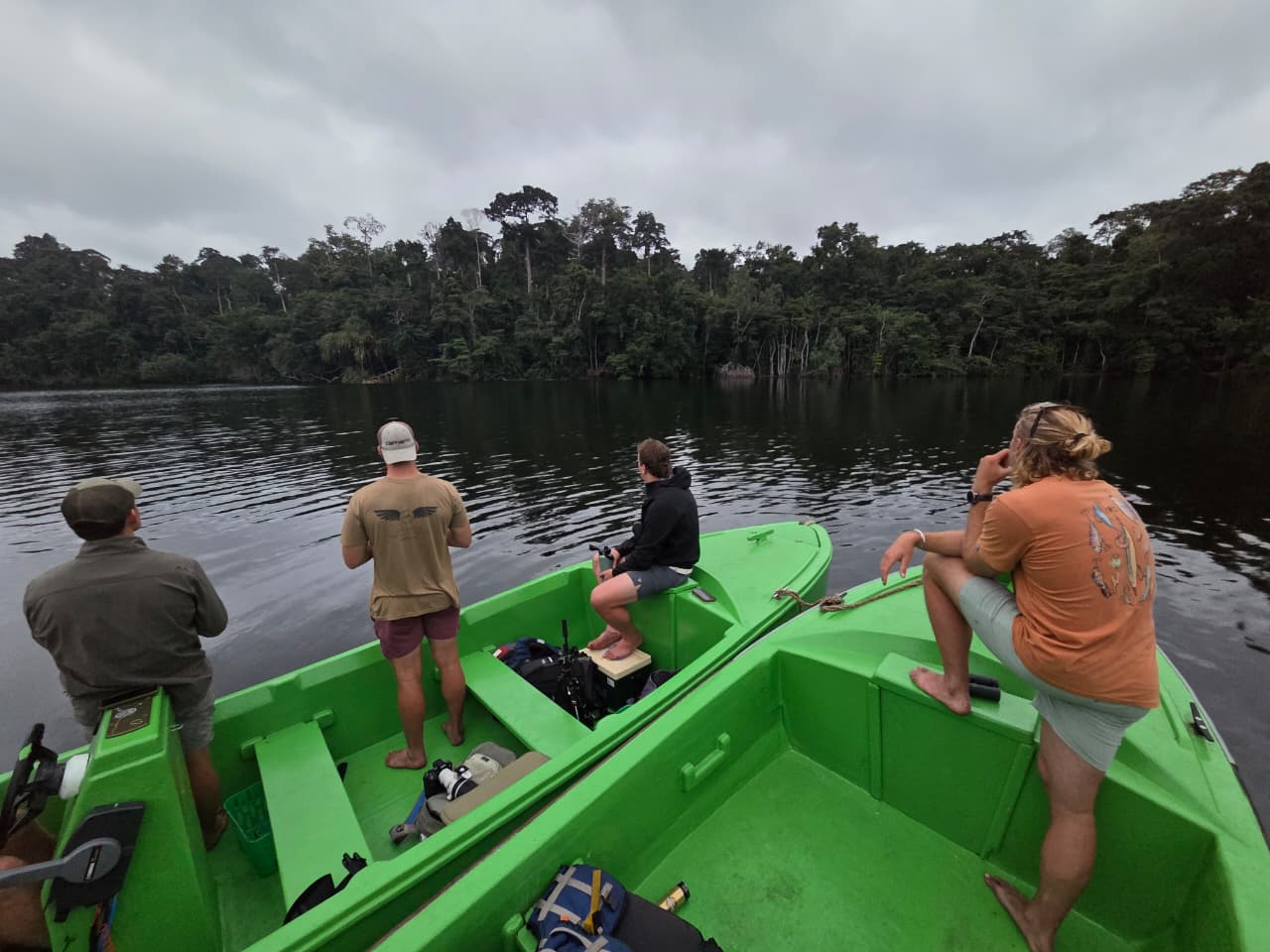
One evening, the rods were put aside for a trip towards Bird Island.
Black-casqued hornbills moved through the surrounding forest while hundreds of African grey parrots arrived to roost as the light began to fade. For Roan, there was another animal he had particularly hoped to see. A dwarf crocodile was eventually spotted along the mangrove edge, giving him the chance to see one at close quarters after wanting to encounter the species since childhood.
It was a completely different side of Sette Cama from the surf sessions that had dominated the week, and a reminder of how quickly the experience here can shift from fishing to the wider environment around it.
Before long, attention turned back towards the water. There was still another tarpon session ahead.
A Week Defined by Opportunity
There will always be weeks where the final catch tally makes an easy story.
This was not one of them.
Instead, it was a week of tarpon pushing bait into knee-deep water, fish eating within metres of the beach, lines parting, hooks pulling and repeated chances to connect with one of the most demanding fish in the surf. Only one tarpon was landed, but there was very little about the fishing that felt quiet. That uncertainty is part of what makes Sette Cama what it is. Nothing is staged, and very little is guaranteed. You work with the tide, the conditions and whatever the coast gives you.
This week, it gave the group a front-row seat to some remarkable tarpon fishing from the beach.
Interested in fishing Sette Cama? Get in touch with the African Waters team to discuss available weeks, seasonal conditions and what to expect from a trip to Gabon.