You have 0 items in your cart
Back Country Trek
The Back Country Trek at Makhangoa isn’t only defined by time on the water.
At Browns, it’s shaped by everything around it — the effort it takes to get there, how the camp is built into the landscape, and the pace that settles in once you arrive.
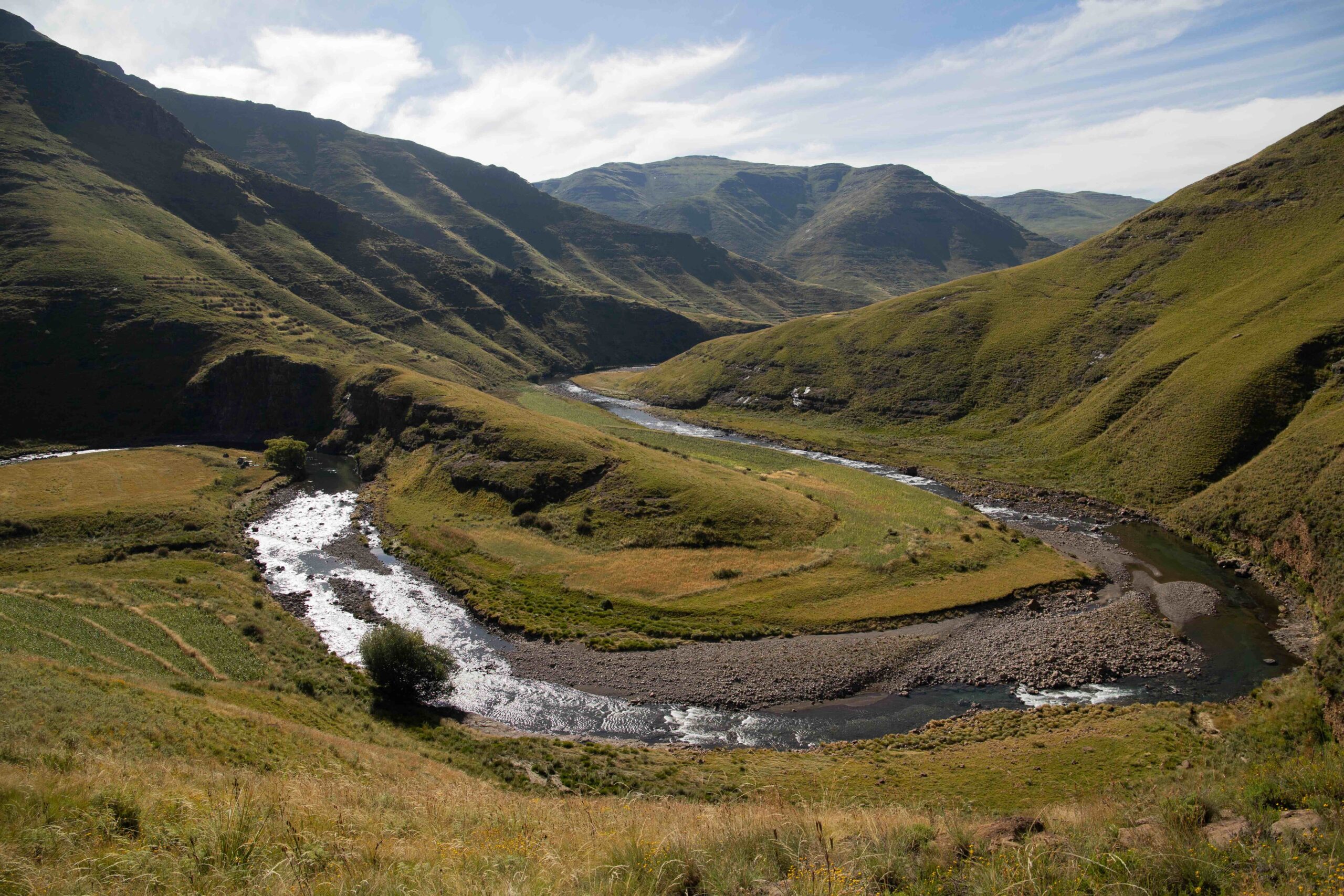
Browns is our backcountry extension of Makhangoa — a pony-supported trek into the upper Bokong River, where we set up a mobile fly camp and stay out for a few nights at a time.
Everything needed is carried in. There are no fixed structures, no road access, and very little sign of anyone having been there before.
It’s a slower way of moving through the river — and a more deliberate one.
Moving Upstream
The journey into Browns is part of it. Mornings begin quietly. Mist lifting off the river. Coffee doing its job while you wait for the sun to reach the valley floor. Cold hands, slow starts, and the sense that the day doesn’t need to be rushed. This season marked the first proper run of this section of the Back Country Trek. It’s not overbuilt or overworked. It’s been set up to function in a place where conditions dictate the terms.
A Camp That Holds Its Own
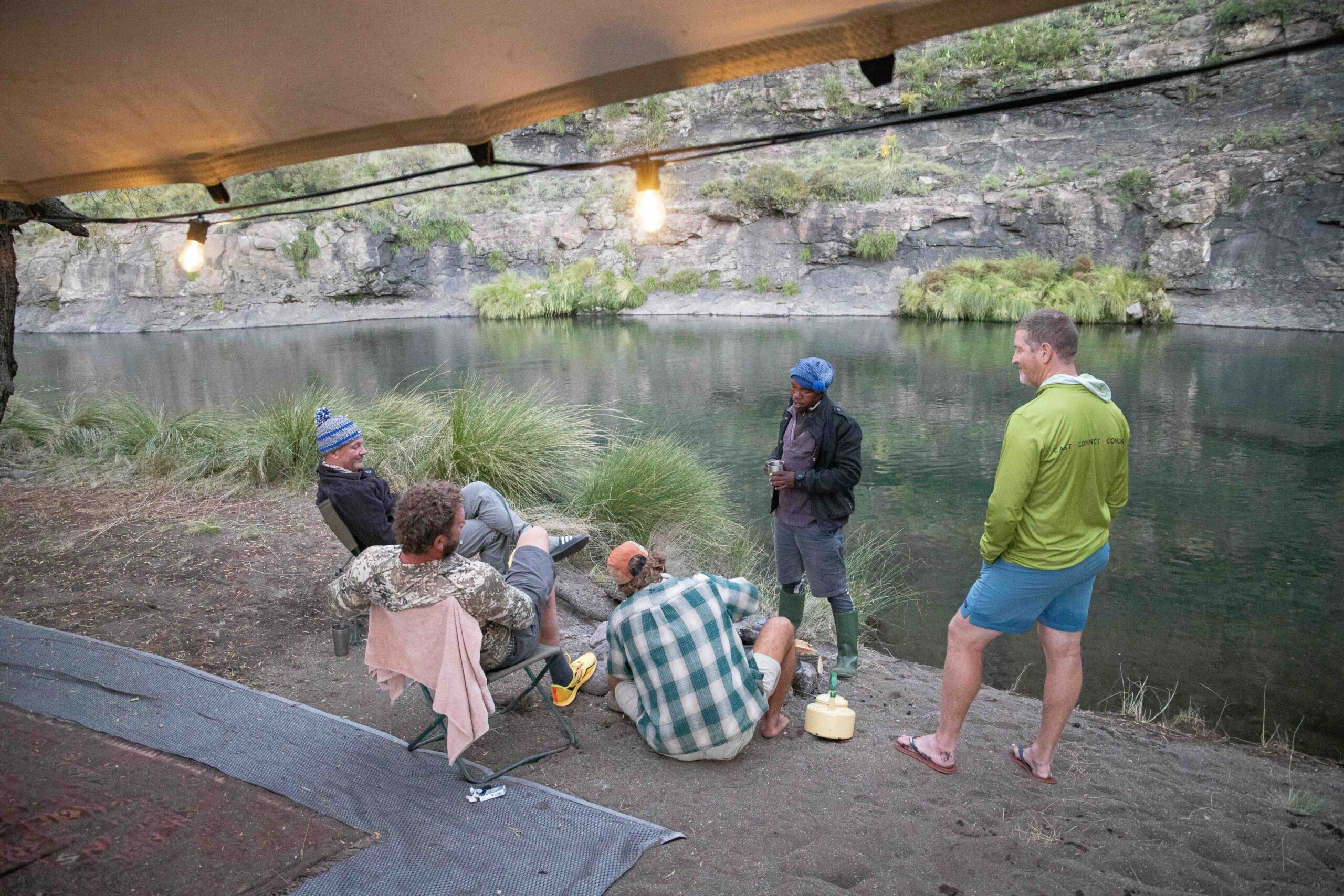
Set beneath a line of willows, the camp is simple but deliberate.
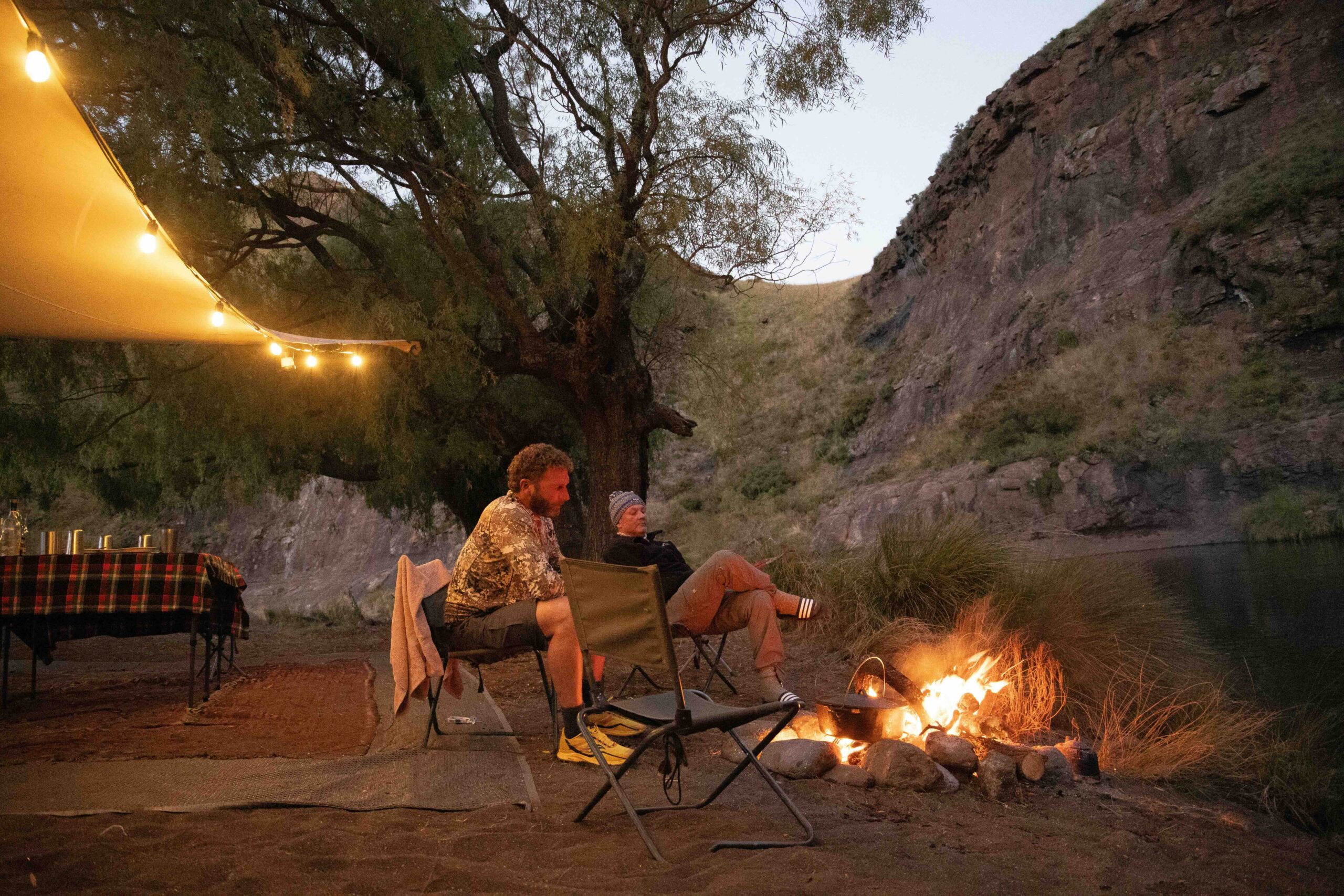
A bedouin-style dining area anchors the space. The kitchen sits just off to the side, worked into the trees. Tents are positioned further back, giving each person a bit of distance when the day is done. There’s no excess. Just what’s needed, done properly.
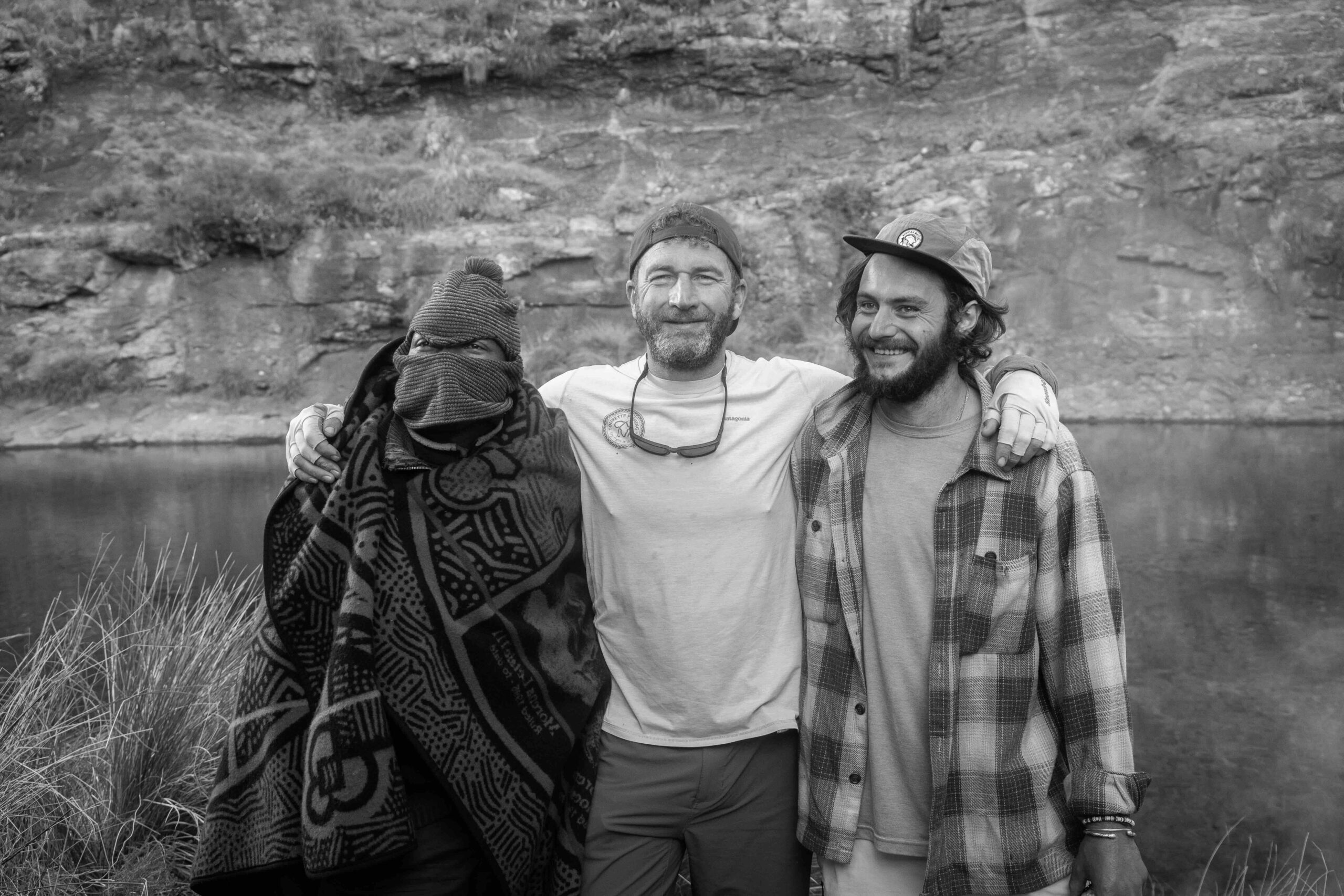
By evening, the camp settles into a rhythm. Fires are lit. Layers go on. Conversations stay easy. Most people drift between the fire and the river, depending on how much cold they’re willing to take on.
Food Carries the Day
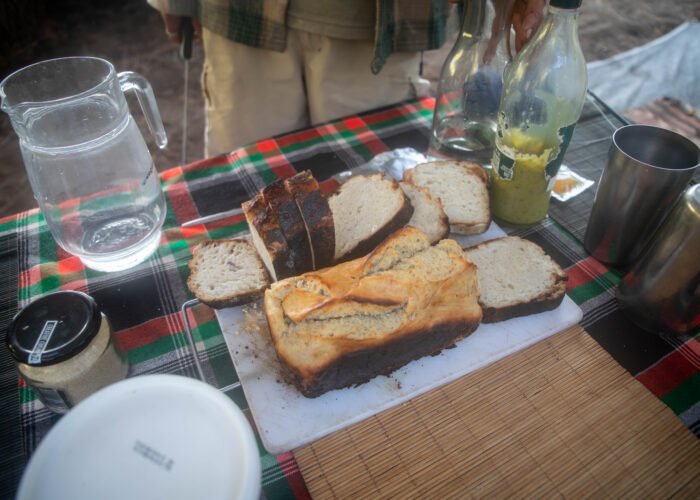
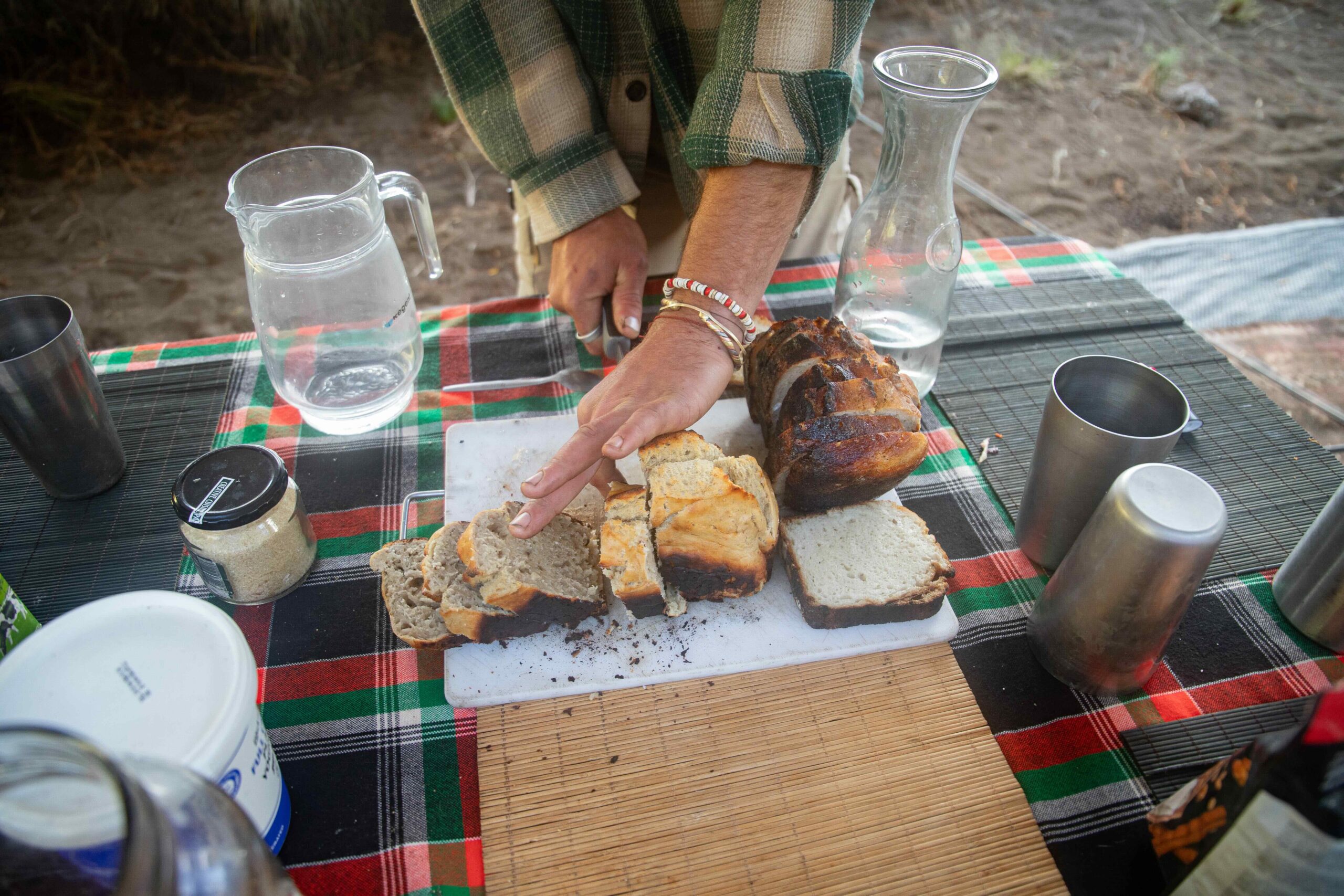
Lunch that day was slow-roasted leg of lamb, prepared the day before and carried in by horse. It’s a small thing on paper, but it says a lot about how these trips are put together. Effort shows in details like this — not for effect, but because that’s what’s required to make a place like this work. Meals aren’t separate from the experience. They hold the day together.
Space to Breathe
After a full run of back-to-back trips, this stretch of river offered something different.
Less structure.
Less urgency.
More room to slow down.
Some spent the afternoon fishing through the runs above camp. Others stayed back, resting, reading, or just watching the river move past. There wasn’t a right way to spend the time. It settled where it needed to.
The Fishing, in Its Place
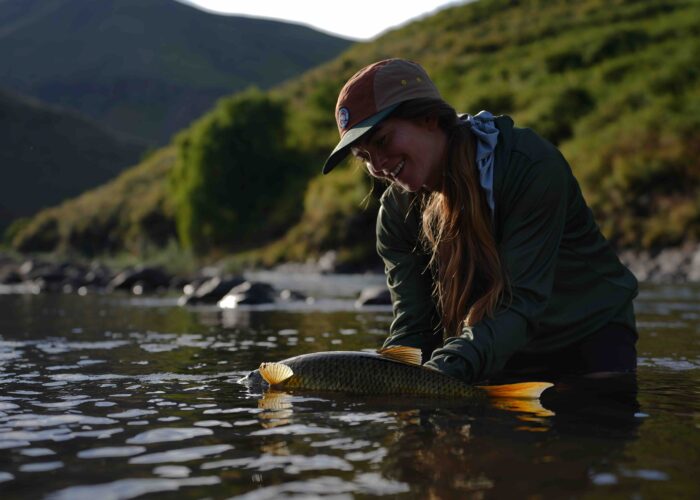
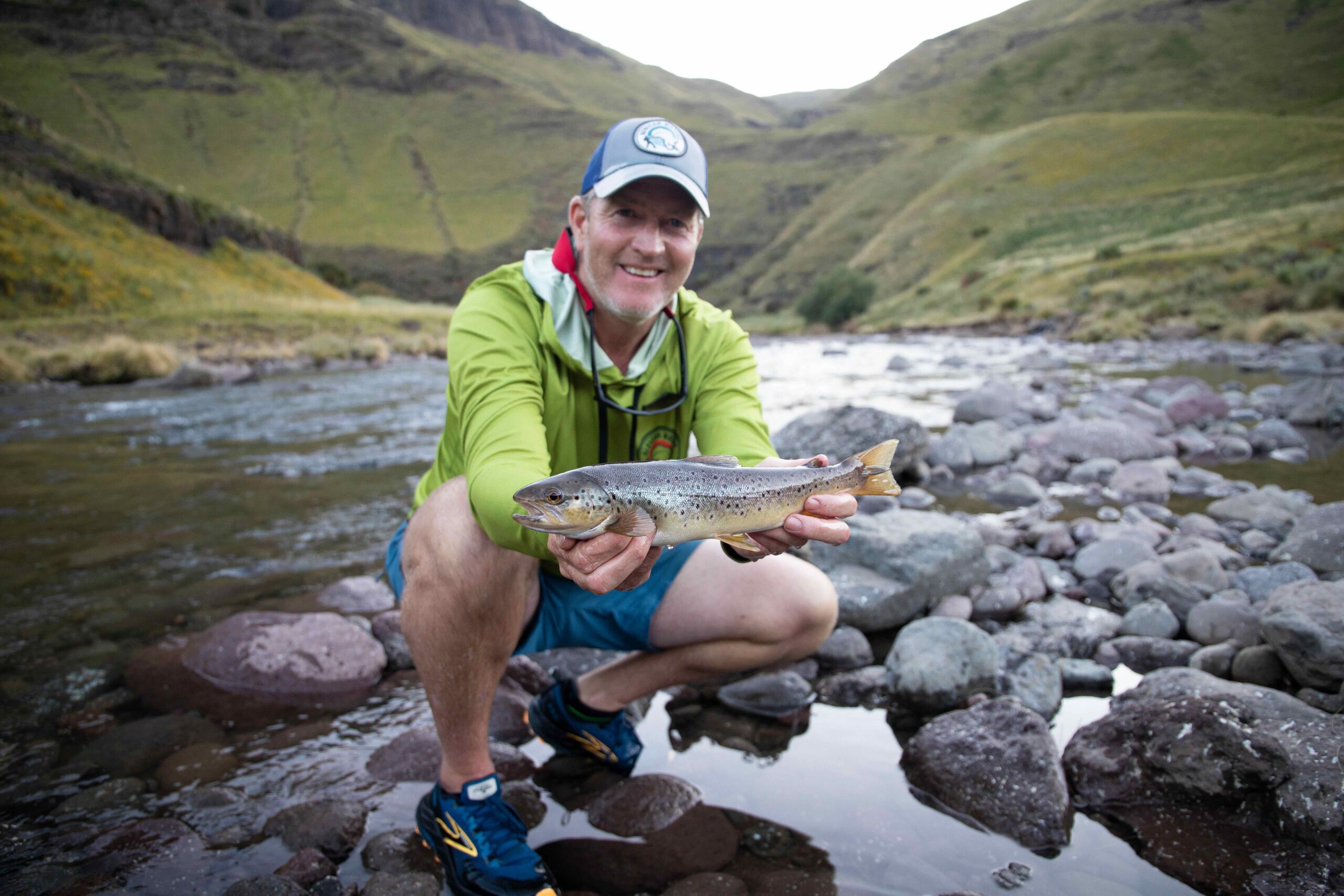
There were good fish brought to hand over the course of the trip. But that wasn’t what defined it. Moments did — an evening session before the cold set in, a quick cast before dinner, or a fish landed without much said afterwards. The kind of fishing that fits into the day, rather than taking it over.
Why the Back Country Trek Matters
This Back Country Trek is an extension of what Makhangoa has always been about.
Not more. Just further. Opening up this section of the Bokong isn’t about increasing numbers or adding pressure. It’s about giving access to water that takes a bit more effort to reach, and building something that can hold that experience properly over time. This was the first step. There’s more to refine, but the foundation is there.
Consider the Back Country Trek
If you’re considering the Back Country Trek at Makhangoa, this is where it leads. It’s not easier. It’s not designed to be. But if you’re willing to put in what’s required, it adds a layer to the experience that you won’t find lower down.
Get in touch if you want to explore how this fits into a week on the river.