You have 0 items in your cart
Nyerere Dam
Nyerere Dam is opening a different kind of tigerfishing opportunity in Tanzania, and it is important to say this clearly from the start. The Shangaa Tigerfish Experience is not here to replace Dhala and Samaki Camps. Those fisheries on the Mnyera and Ruhudji Rivers remain the flagship Tanzania tigerfish experience within African Waters. Shangaa adds something different to the mix. It gives you another way to experience tigerfish in one of Africa’s most striking protected landscapes.
In 2008, African Waters, together with Kilombero North Safaris, helped pioneer fly fishing for trophy tigerfish in Tanzania. Since then, Dhala and Samaki Camps have built a reputation around exclusive access, expert guiding, quality camp life, and a fishery that demands a wide range of techniques and a high level of angling focus. That remains unchanged.
What has changed is the arrival of a new fishery worth paying attention to.
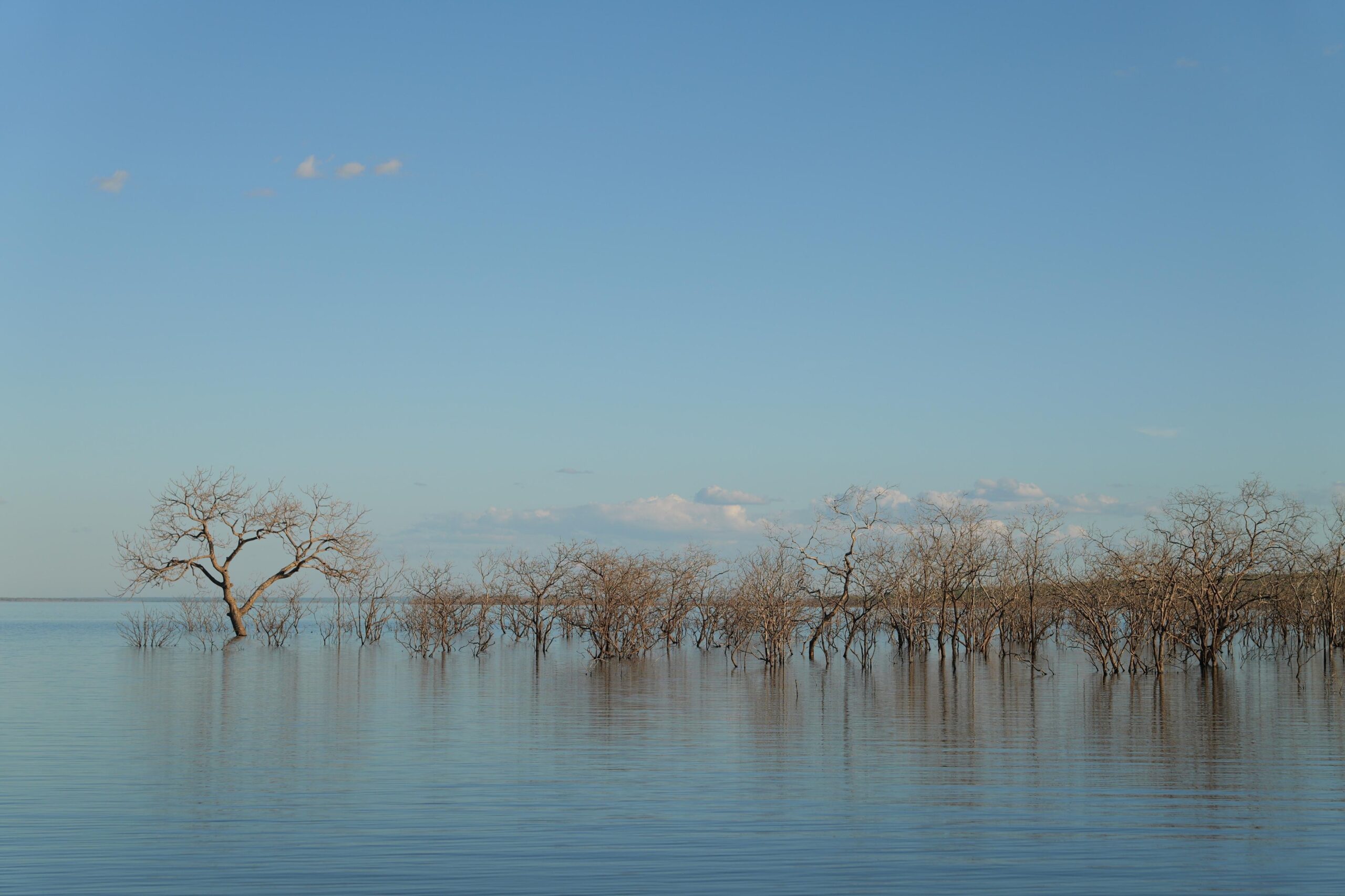
For the past two years, the newly completed 1200 km² Nyerere Dam has been firmly on our radar. Fed by both the Kilombero River and the Great Ruaha River, it immediately raised a big question. Could this vast stillwater system develop into a worthwhile tigerfish destination while also supporting conservation and local community objectives?
In August and November 2025, we spent time exploring the area alongside the Six Rivers Foundation, with the goal of understanding exactly that. The answer was encouraging. Responsible fly fishing tourism has real potential here, both as a fishery and as a practical conservation tool in the broader Nyerere National Park landscape.
What Makes Nyerere Dam Different
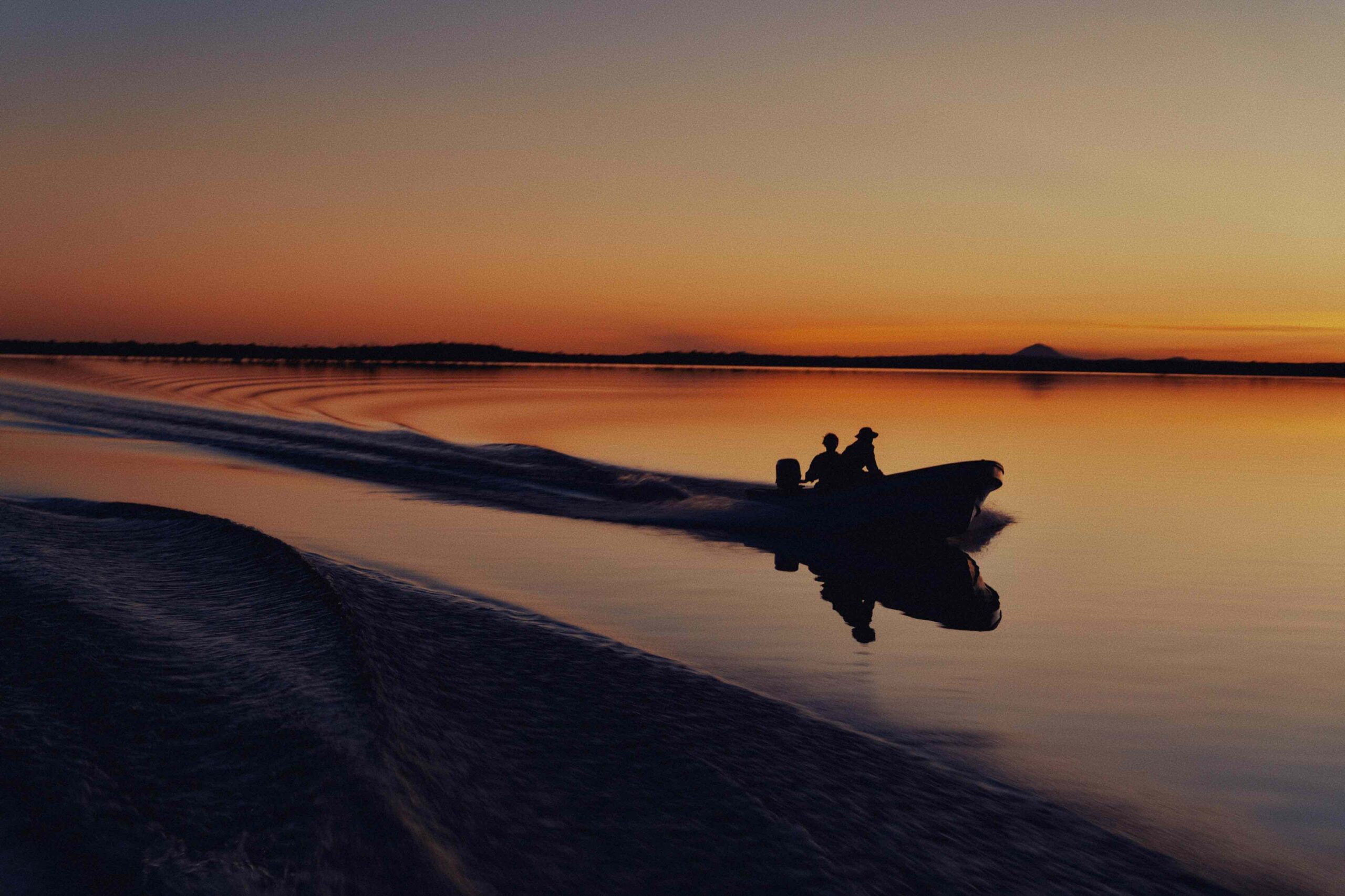
The setting alone makes this place unusual. Nyerere Dam is bordered by Nyerere National Park and the Selous Game Reserve, creating one of the few large stillwater fisheries in Africa surrounded by protected wilderness. It is a huge body of water with strong ecological value, holding a variety of indigenous fish species and supporting the wildlife you would expect from a landscape of this scale.
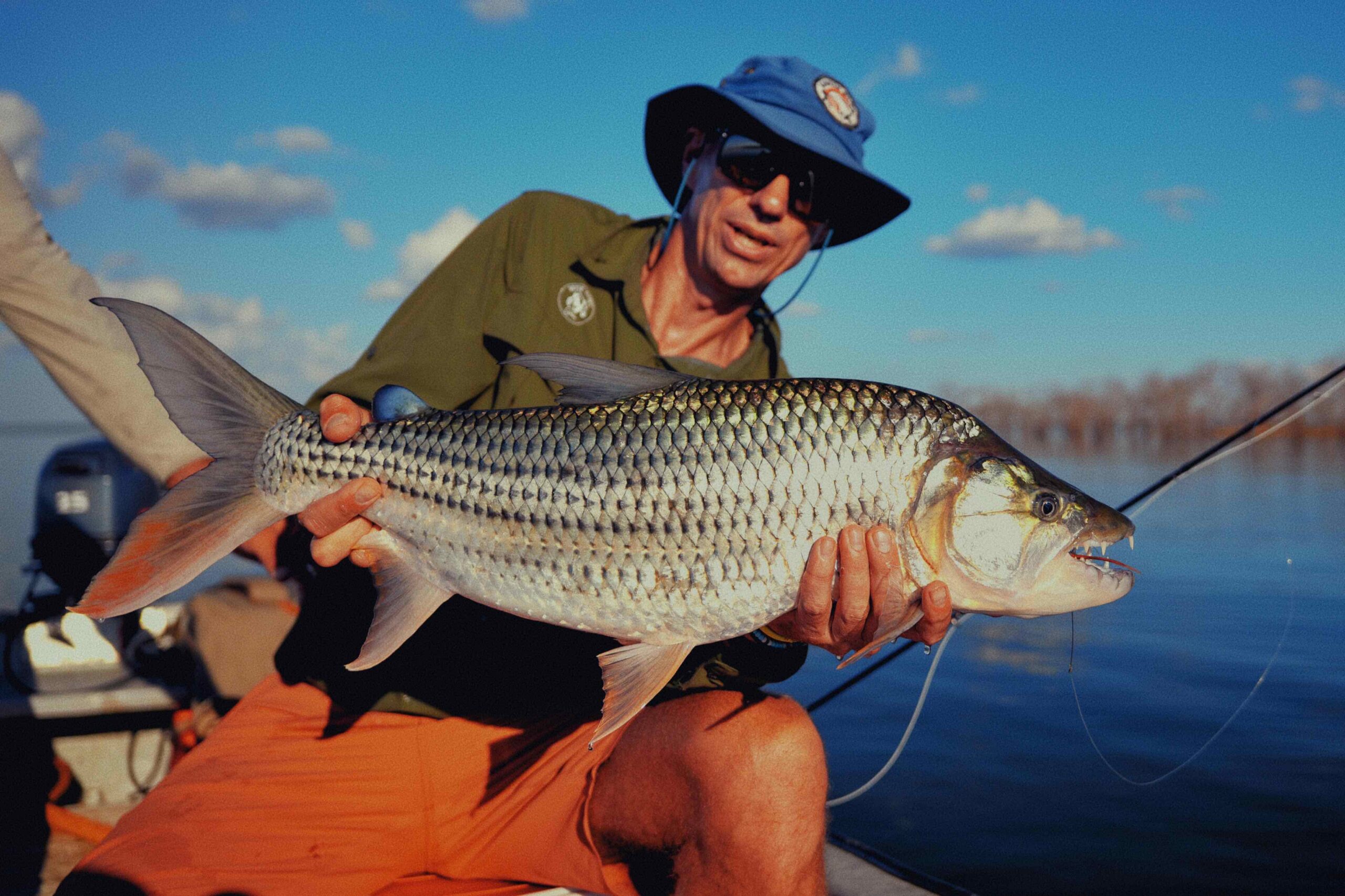
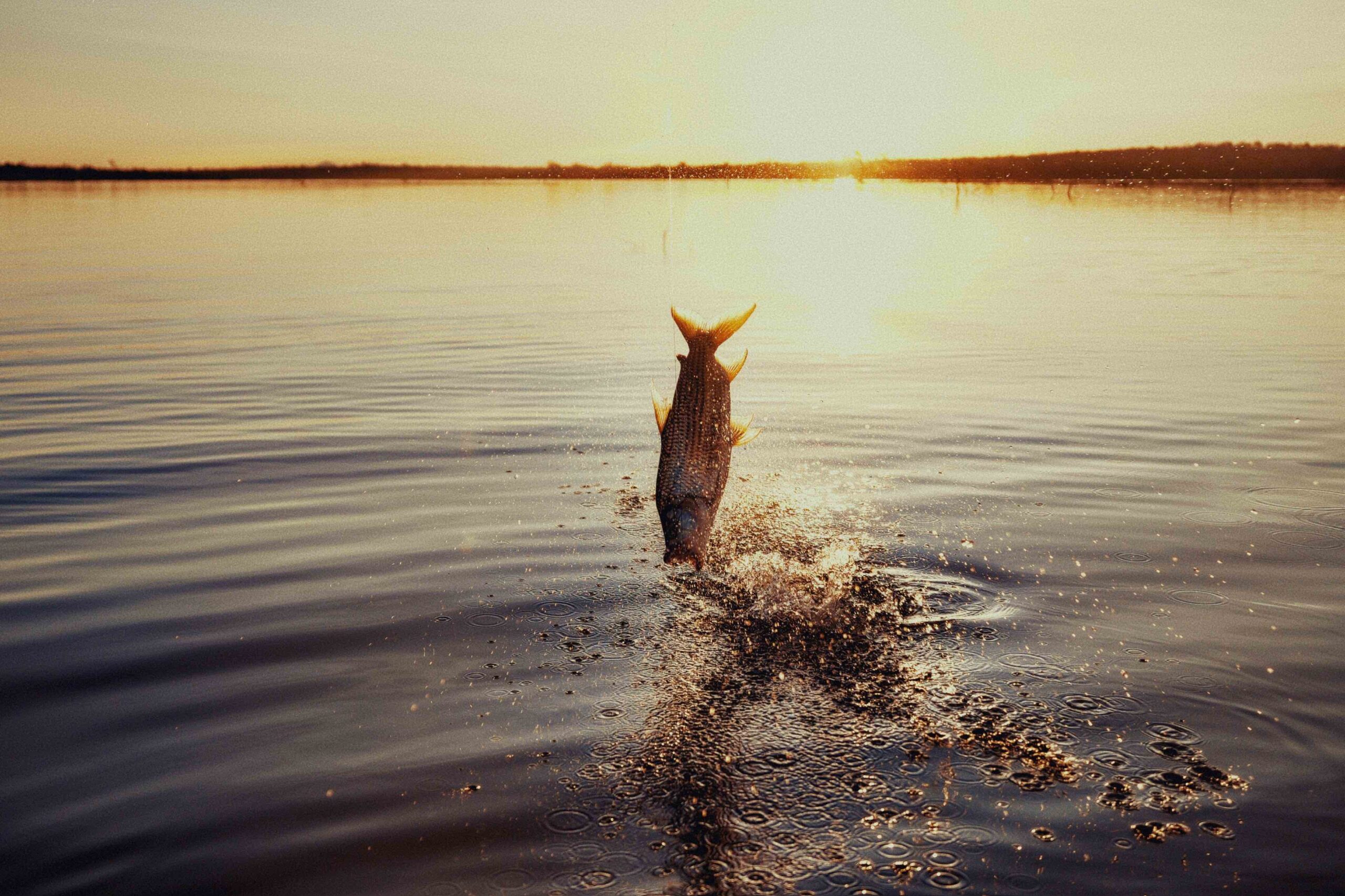
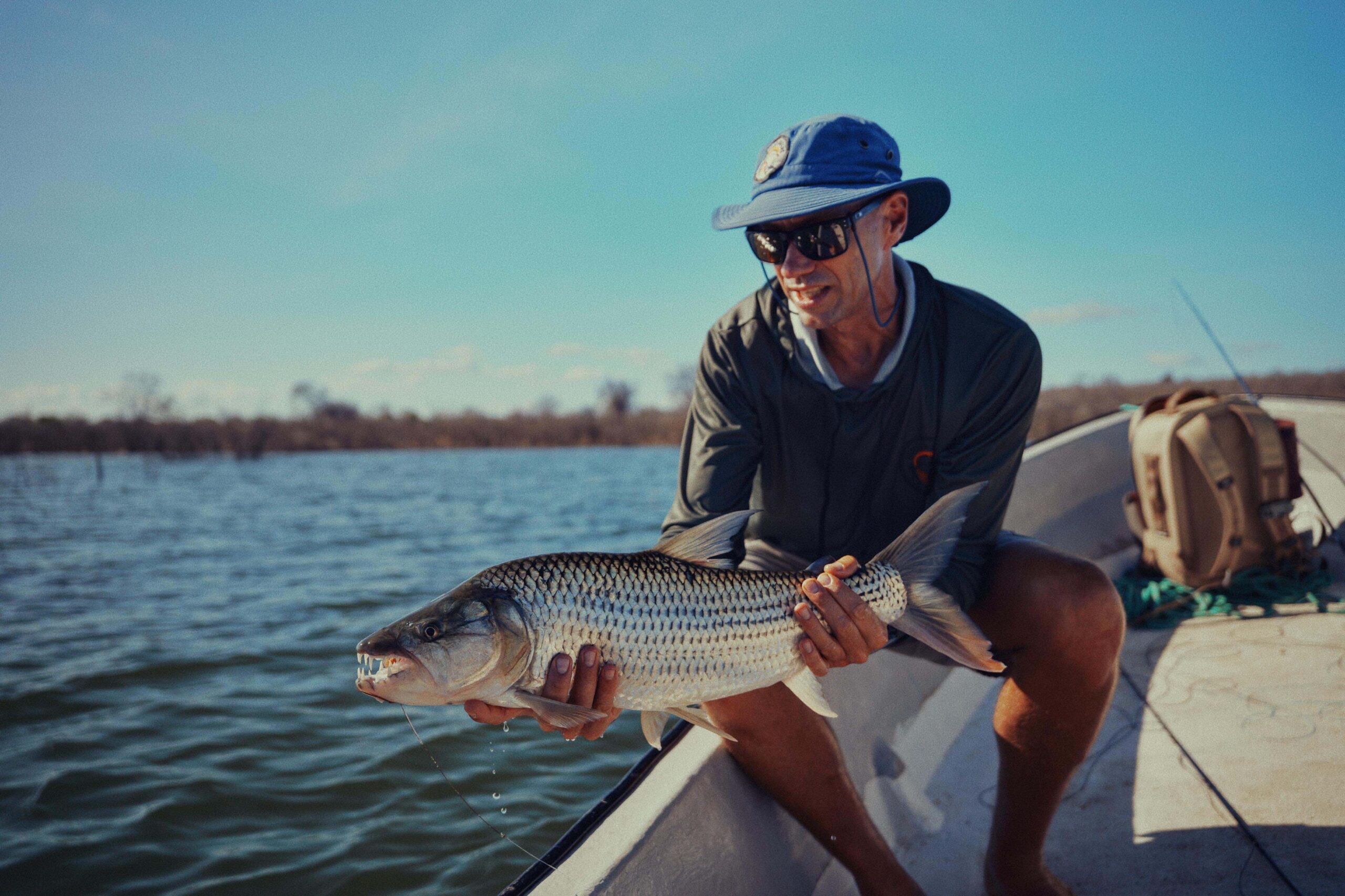
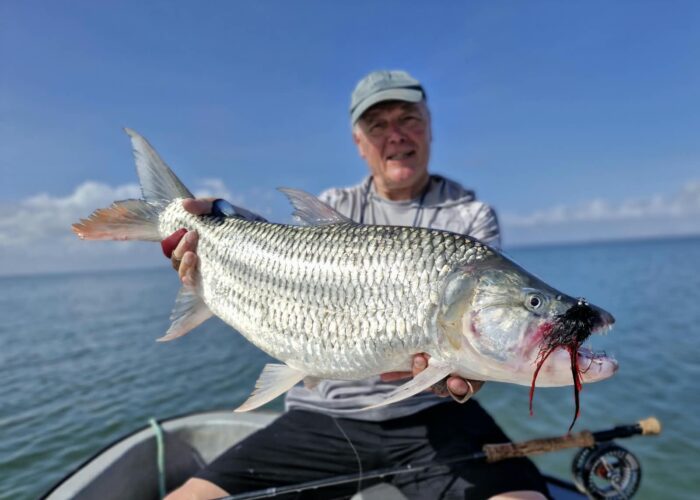
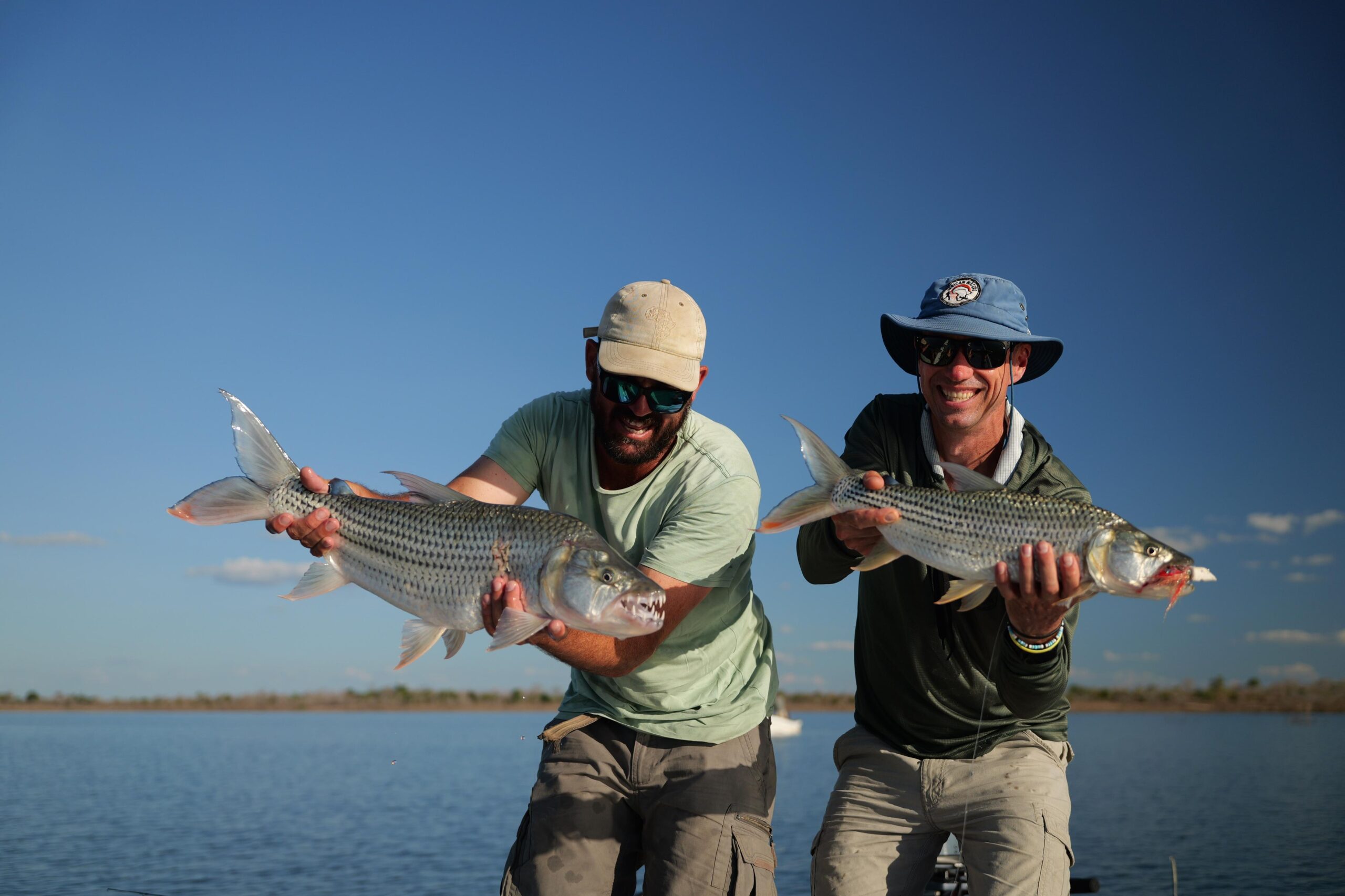
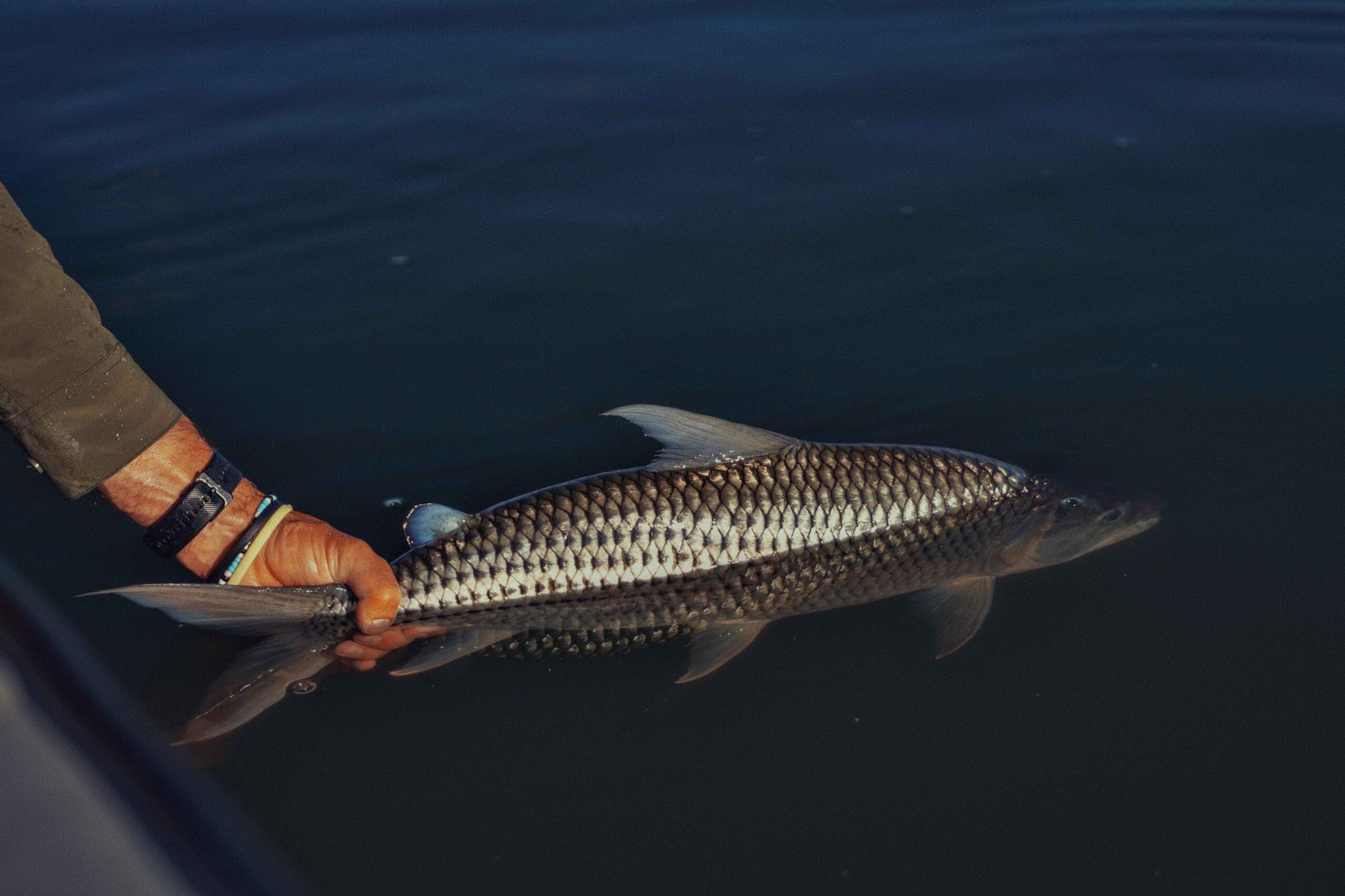
From a fly fishing point of view, the standout species is the Tanzania tigerfish, Hydrocynus tanzaniae. The vundu population is also exceptionally healthy, which adds another layer of interest for anglers spending time on the water.
This is not a river fishery. That matters.
The character of the fishing is different. The pace is different. The way you approach the water is different. That is exactly why Shangaa needs to be understood on its own terms rather than compared unfairly to the Mnyera and Ruhudji.
Shangaa Camp and the Style of the Experience
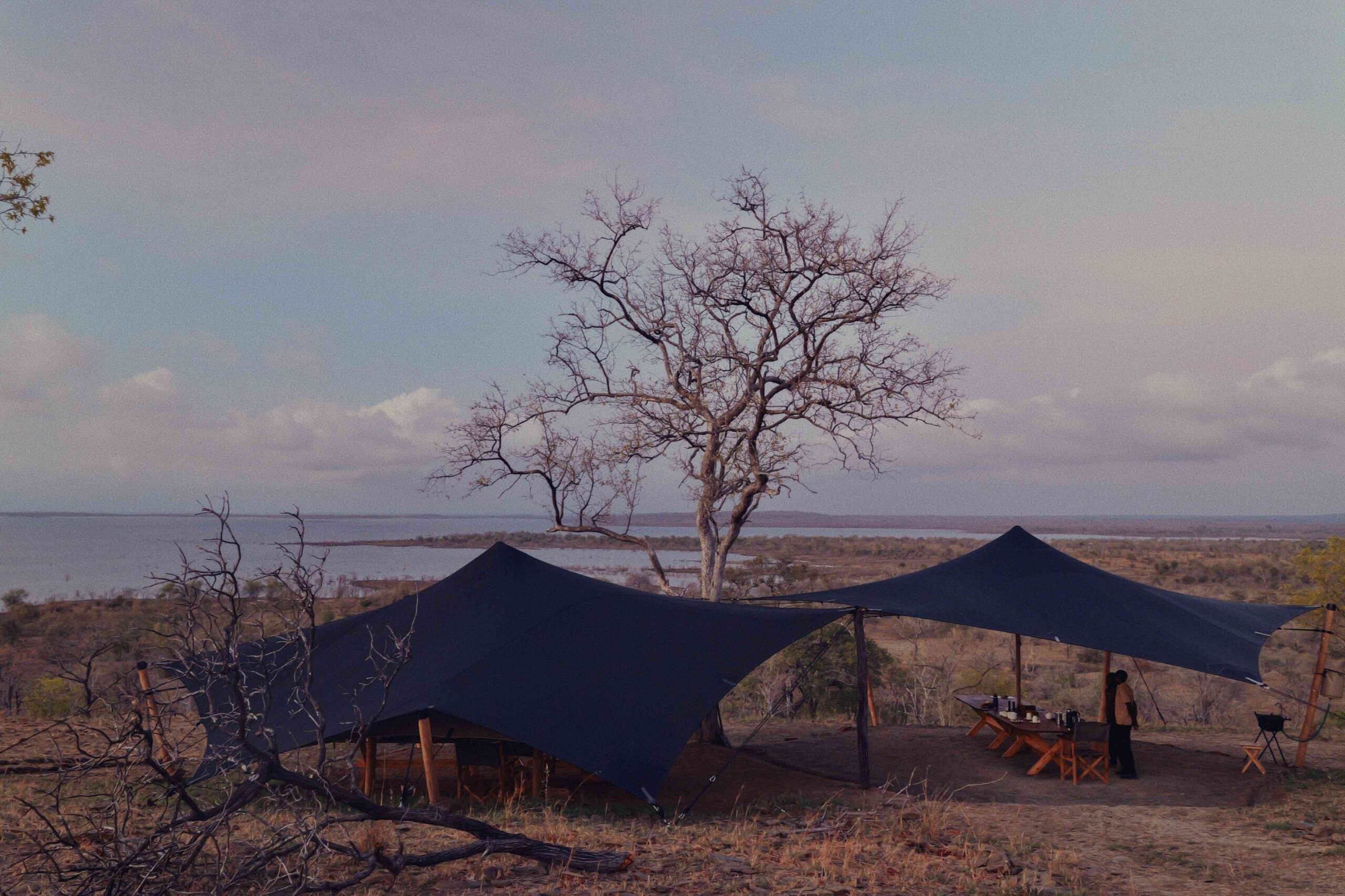
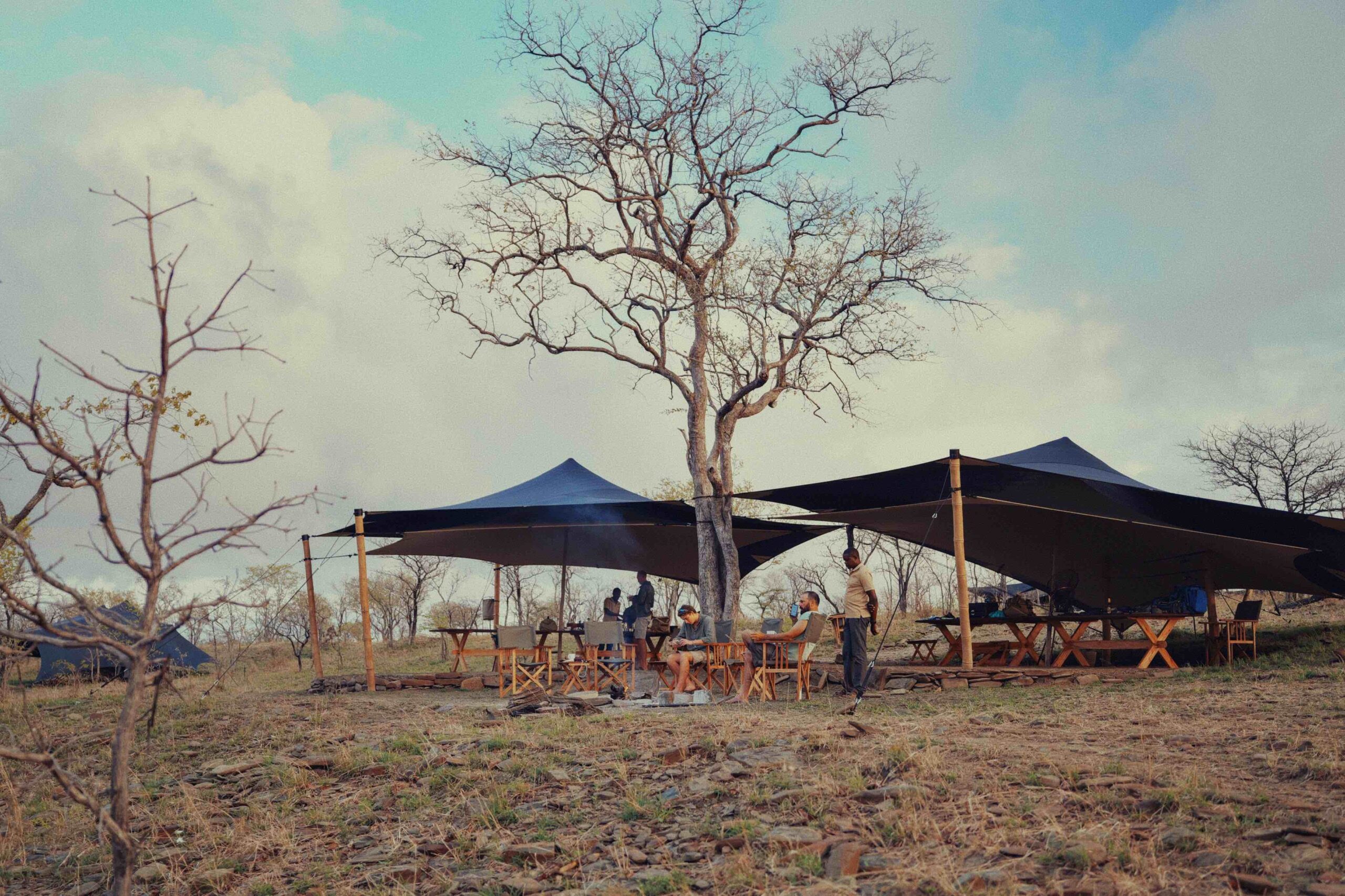
Shangaa Camp is a seasonal tented camp set on a remote peninsula overlooking the dam. It sleeps a maximum of eight guests, which keeps the experience small, personal, and in line with the broader African Waters camp style. You still get attentive staff, a comfortable camp, and a close connection to the surrounding bush.
What you do not get is a copy-and-paste version of Dhala or Samaki.
The fishery is still young. The fish have seen very little pressure and remain relatively unchallenged and curious. That makes the dam an exciting case study as the fishery develops over time. It also means guests joining from September 2026 will be part of that early journey, which has its own appeal. There is something rewarding about fishing a place while it is still finding its rhythm.
Who the Shangaa Tigerfish Experience Suits Best
Shangaa works particularly well for guests who already understand what Dhala and Samaki are about and want to build a broader Tanzania trip around them.
It is a strong option if you want to extend your stay before or after your main river week and are looking for a more relaxed few days on the water. It also makes sense for safari travellers moving through Tanzania between August and December who want to add tigerfishing to their itinerary but do not have time for the full seven-night river package.
It is also a practical entry point for newer anglers.
If you are new to fly fishing, travelling with children, or simply want a less technically demanding introduction to tigerfish, Shangaa is a sensible place to start. Reservoir fishing does not ask the same questions of you that the Mnyera and Ruhudji do. That can make the learning curve less steep and the experience more approachable.
Another key point is that this is a hosted model rather than a fully guided one. Each group will be accompanied by an African Waters professional who hosts the trip and rotates through the group over the course of the stay. Their role is to make sure the experience runs smoothly and to help you fish the right water, in the right way, at the right time.
For many groups, that is exactly the level of support they want.
What Shangaa Is Not
This is where clarity matters.
Shangaa is not a replacement for Dhala and Samaki Camps. It is not a substitute for the fully guided river experience on the Mnyera and Ruhudji. Those fisheries remain the benchmark in terms of exclusivity, fishery management, guide input, size potential, and the overall depth of the experience.
Shangaa also is not the right fit for anglers whose main goal is the more dynamic river style of fishing. If you are specifically chasing technical drifting, precise boat positioning, wading, topwater eats, and the full range of fly line applications that come with those river systems, Dhala and Samaki remain the clear choice.
It is also worth noting that Nyerere Dam is not exclusive to African Waters and Kilombero North Safaris. The water is open to the public and other operators. The camps themselves remain exclusive, but the fishery is not private in the way the Mnyera and Ruhudji are. Even so, the sheer scale of the dam, the separation between land-based concessions, and the policy framework governing use all help keep the experience feeling remote and uncrowded.
That distinction matters because it sets the right expectations. And good expectations are what lead to good trips.
Why This Addition Matters
Shangaa broadens the Tanzania offering in a smart way.
It creates a softer entry point for new anglers. It gives returning guests an additional experience. It offers safari travellers a shorter tigerfish option. It also allows African Waters to keep exploring how carefully managed fishing tourism can support conservation in important wild places.
That is the bigger picture here.
Not every fishery needs to be the headline act. Some earn their place by complementing something already strong. Shangaa appears to do exactly that. It sits alongside Dhala and Samaki rather than beneath them or in front of them. If you were building your ideal Tanzania trip, would you want the full technical intensity of the rivers, or would you rather add a few days on a vast wild reservoir as well?
The good news is that you may not need to choose.
African Waters remains committed to using sustainable, responsible, and carefully curated fly fishing to protect high-priority wilderness areas. The Shangaa Tigerfish Experience is the next step in that work, and we are excited to welcome both returning guests and first-time visitors to see where this fishery goes.
To find out more about adding Shangaa to your Tanzania plans, get in touch with African Waters and start mapping out the right combination for your trip.