You have 0 items in your cart
Fishery Conservation
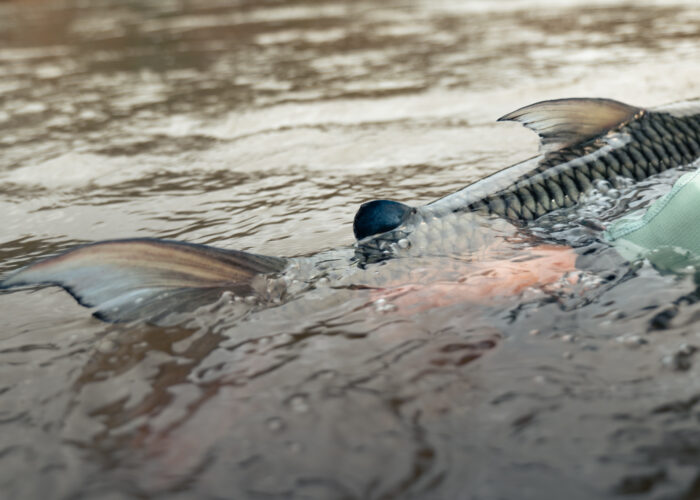
When you think about fishery conservation, it is easy to picture rules, patrols, and remote river systems. At Dhala and Samaki Camp in Tanzania, fishery conservation is far more practical than that. It is built into the daily work that happens before a guest arrives, during the season itself, and long after camp closes. What you experience as a smooth week of fly fishing on wild, healthy water is only possible because of a steady commitment behind the scenes.
Guests arrive to find productive rivers, organised camps, and a team ready to handle the details. What often goes unseen is the amount of work required to keep these fisheries healthy in the first place. African Waters does not treat conservation as a side project. It sits at the centre of how the operation functions.
A Year-Round Anti-Poaching Programme on the Mnyera and Ruhudji
A major part of this work is the anti-poaching programme operating on the Mnyera River, the Ruhudji River, and neighbouring wetlands. These are the same systems where the weekly fishing programme takes place, and they need protection throughout the year, not only when anglers are in camp.
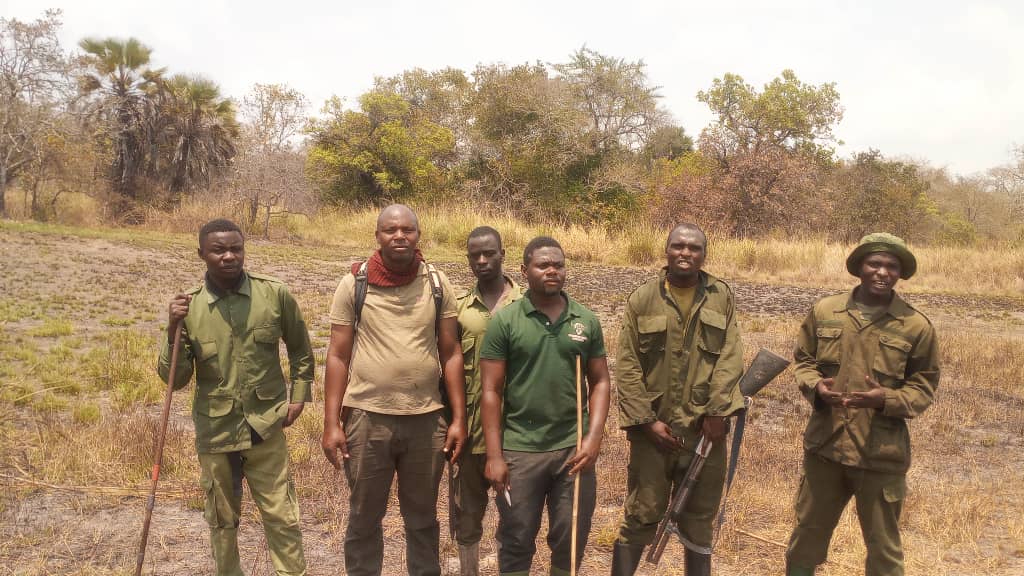
At present, two dedicated anti-poaching teams work full time across these fisheries. One team focuses on the Mnyera and the other on the Ruhudji and surrounding wetland areas. Each team consists of six hand-picked members chosen for their initiative and willingness to protect these waters. That matters. This is not simply a job handed out to anyone available. The people in these roles have shown that they care about the future of the fishery.
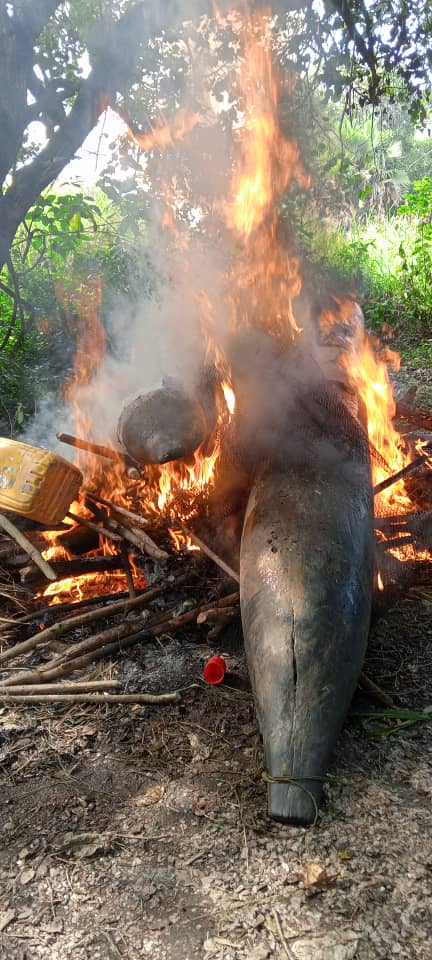
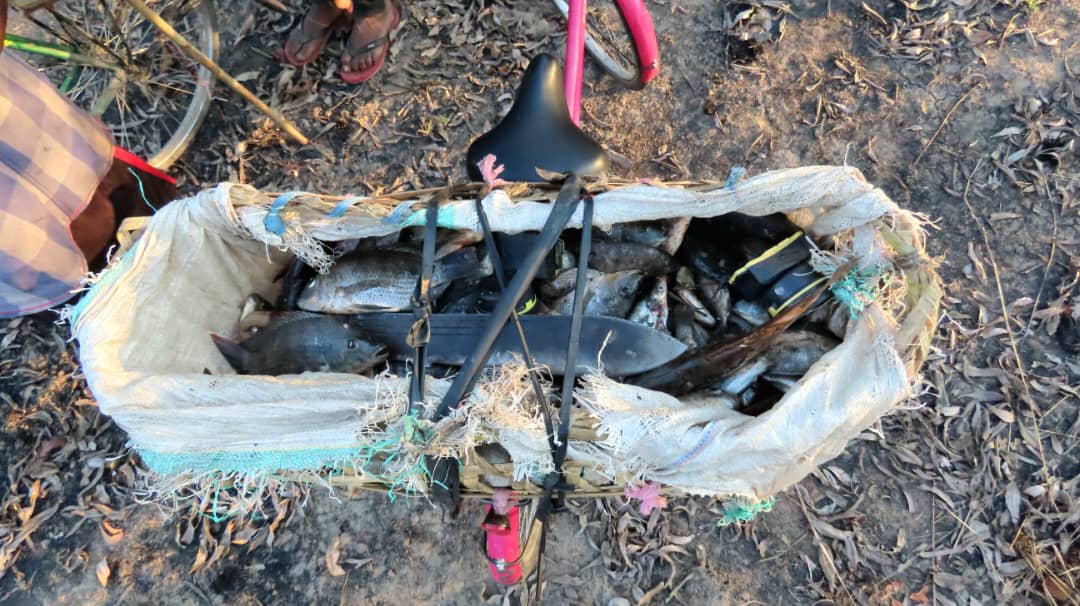
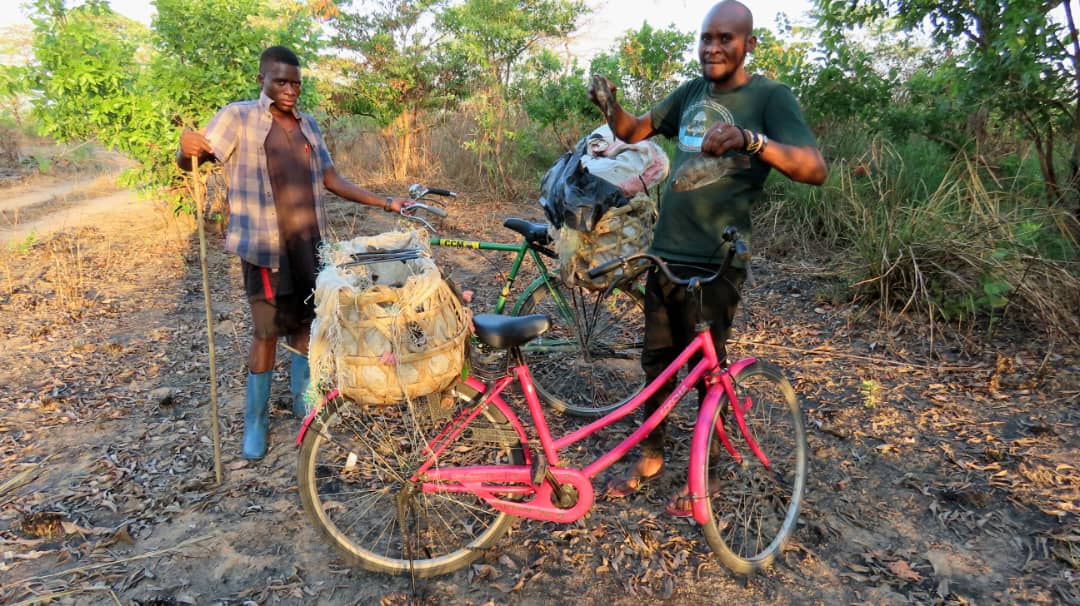
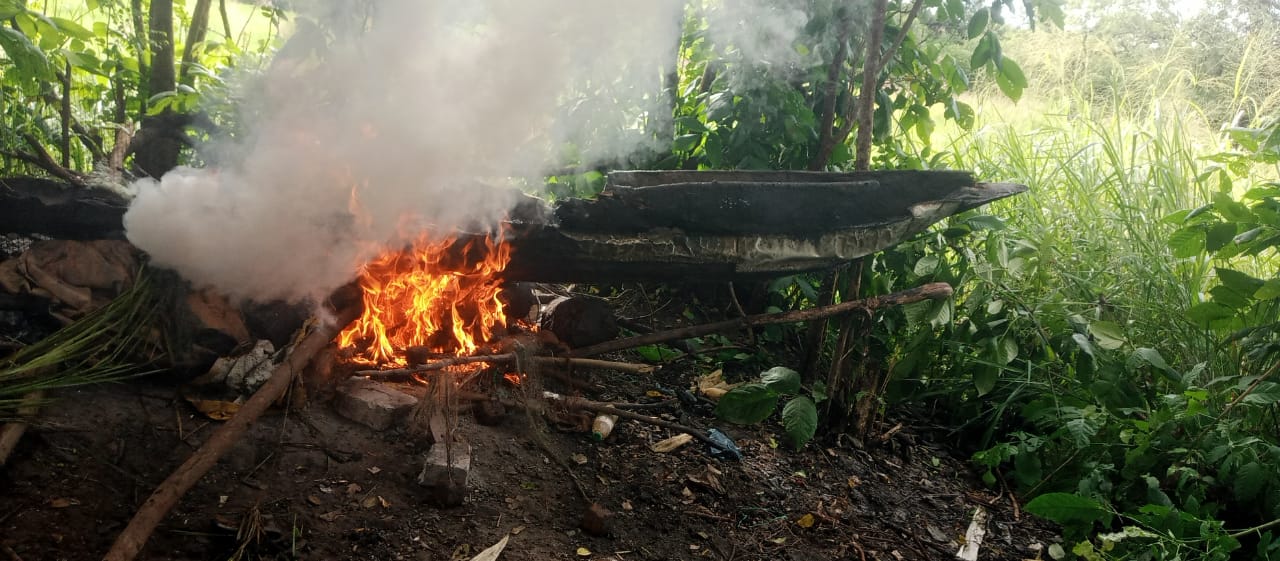
Their work is physically demanding and highly consistent. Every week, they patrol the full stretches of river that guests fish during the season, often walking more than fifty to sixty kilometres while checking both banks for signs of illegal activity. Patrols take place by day and by night, depending on what is needed. Illegal gear is removed, dugout canoes are confiscated, and pressure is kept on poaching activity before it can become entrenched.
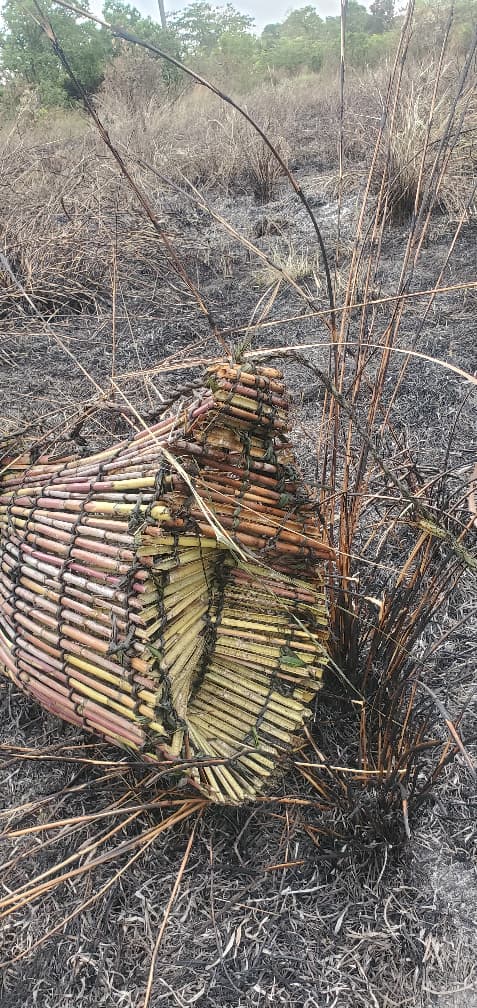
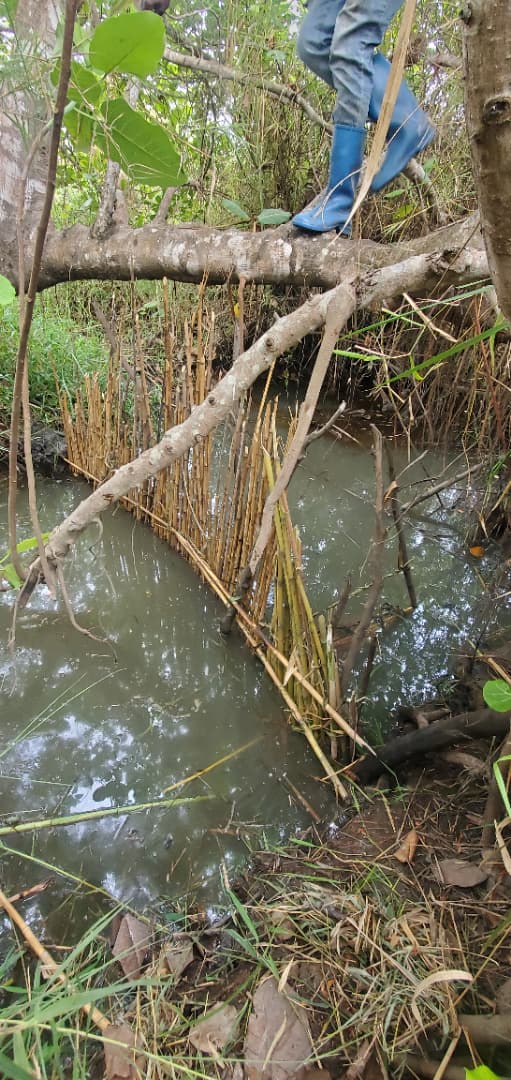
In the past eight months alone, these teams have confiscated and destroyed more than 30 illegal dugouts within the concession, along with fish traps, baited lines, and nets. That is not abstract conservation language. That is direct action with measurable results.
Why Local Ownership Matters in Fishery Conservation
One of the most important parts of this programme is that the same people protecting the fishery in the off-season are also part of the wider seasonal operation. Some work as boat drivers during the fishing season. Others assist with camp logistics and day-to-day operations. Their livelihoods are linked directly to the health of the river system.
That changes the dynamic completely. Instead of conservation being imposed from the outside, it becomes something rooted in local ownership. These are not anonymous staff members rotating through temporary roles. Many of the men working with African Waters in Tanzania have been part of the operation since 2009, and a large number of the original crew are still involved today. That kind of continuity is rare, and it says a lot about the strength of the model.
You can feel the difference when people have pride in what they are protecting. It shows in how they speak about the rivers, how they work, and how they carry responsibility through the full year. These are their waters, their wildlife, and their fishery. Guests benefit from that in obvious ways, but the deeper value lies in the fact that the protection does not stop when the camps close.
Protecting More Than Just the Fishery
The benefits of this work extend well beyond the fish themselves. By protecting the concession and working alongside KNS conservation and anti-poaching units, the programme also supports broader habitat protection across an impressive 1.4 million hectares of high-priority African wilderness.
That wider impact matters. Healthy fisheries do not exist in isolation. They depend on functioning wetlands, intact riverbanks, and landscapes where wildlife can still move and thrive. When illegal activity is reduced in one area, the positive effect often spreads well beyond the immediate fishing beat.
This raises an important question. When you visit a remote fishery, what are you really supporting? Is it simply a week on the water, or is it a model that helps fund jobs, habitat protection, and long-term stewardship? In Tanzania, the answer is clear.
Sustainable Fly Fishing Depends on Long-Term Stewardship
At its core, this is the philosophy behind African Waters. Do the hard work first. Build strong relationships. Stay committed for the long run. Protect the resource properly, then create a world-class experience around it.
Sustainable sport fishing and ecotourism can only work when the natural system comes first. That means year-round effort, trusted local teams, and a structure that creates real value for both people and place. It also means recognising that a successful ten-week fishing season is only the visible outcome of work happening across all fifty-two weeks of the year.
When you step into a fishery like this, you are not only visiting a wild place. You are stepping into an ongoing conservation effort that depends on consistency, accountability, and shared ownership. That is what keeps these rivers healthy. That is what protects their future.
If you want to see how fishery conservation and fly fishing can work hand in hand in Tanzania, explore Dhala and Samaki and see what responsible access to wild fisheries really looks like.