You have 0 items in your cart
Safari Fishing
Safari Fishing is the phrase that keeps coming up in camp, and this week summed up exactly why. With only two weeks left in the season, the valley felt settled, confident, and quietly electric. You could sense that mix of familiarity and urgency. Everyone knew time was running short, and nobody was wasting casts.
This wasn’t a blow-by-blow report. It was one of those weeks where moments stacked up faster than notebooks could keep pace with, and that’s exactly what made it special.
When the Commute Includes Elephants
Your introduction to the week started before a rod was rigged. On the drive in from the airstrip, traffic came to a standstill courtesy of a lone elephant bull parked beside the road, mid-snack and in no rush to move. A few head shakes and a mock charge made his position clear.
From a respectful distance, you watched him finish his meal and drift back into the bush, a reminder that Safari Fishing here really does mean sharing space with the wild. When this is your arrival briefing, you know you’re in the right place.
Hollywood Rock and the One Last Cast Rule
Every river has a spot that refuses to let you leave quietly. On the Mnyera River, fishing the Kasingo section, that place is Hollywood Rock.
Lines were being reeled in. The anchor was coming up. Then came the classic mistake: one last cast. Line ripped off the reel, the anchor went straight back down, and the session restarted in seconds.
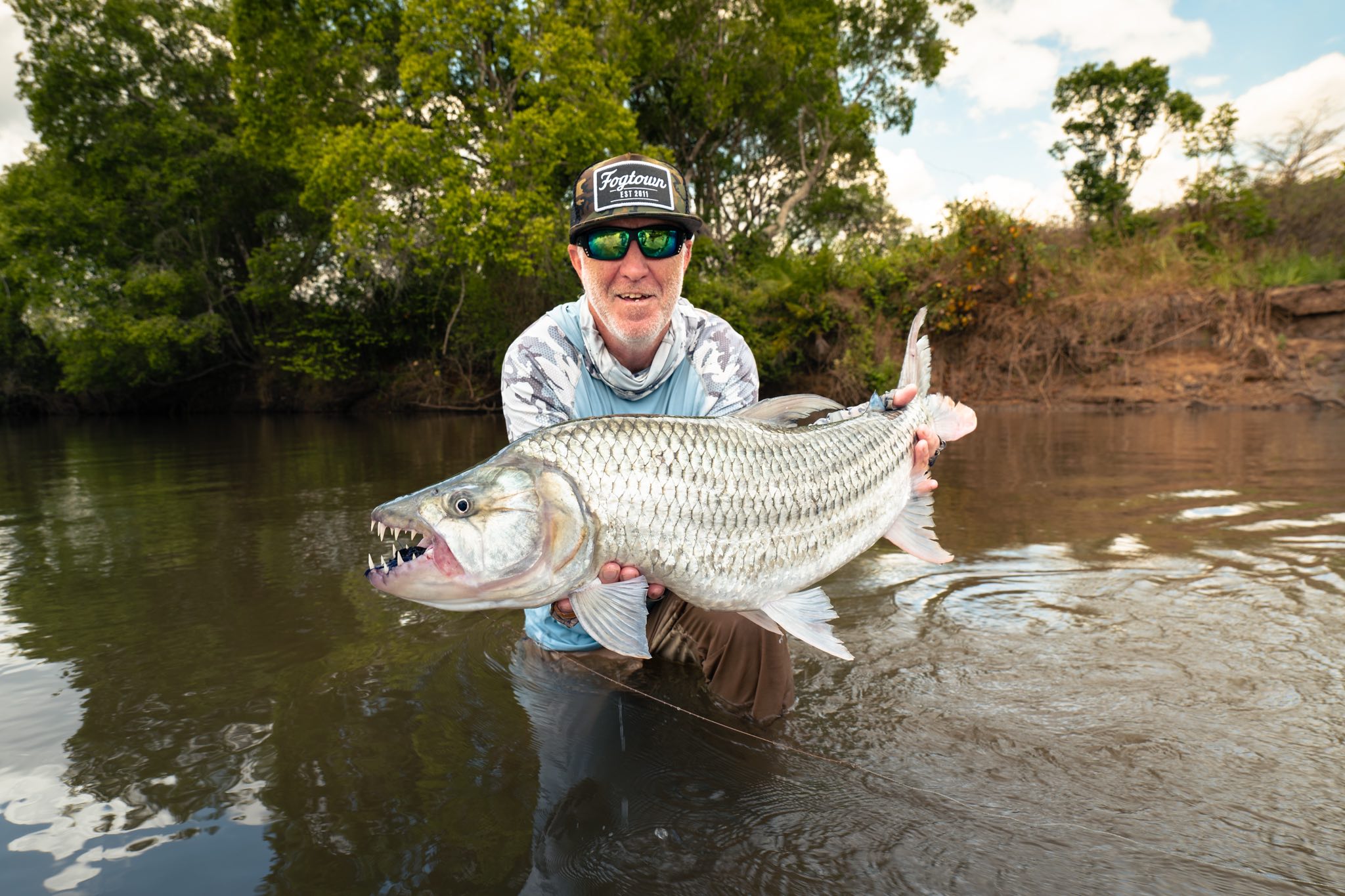
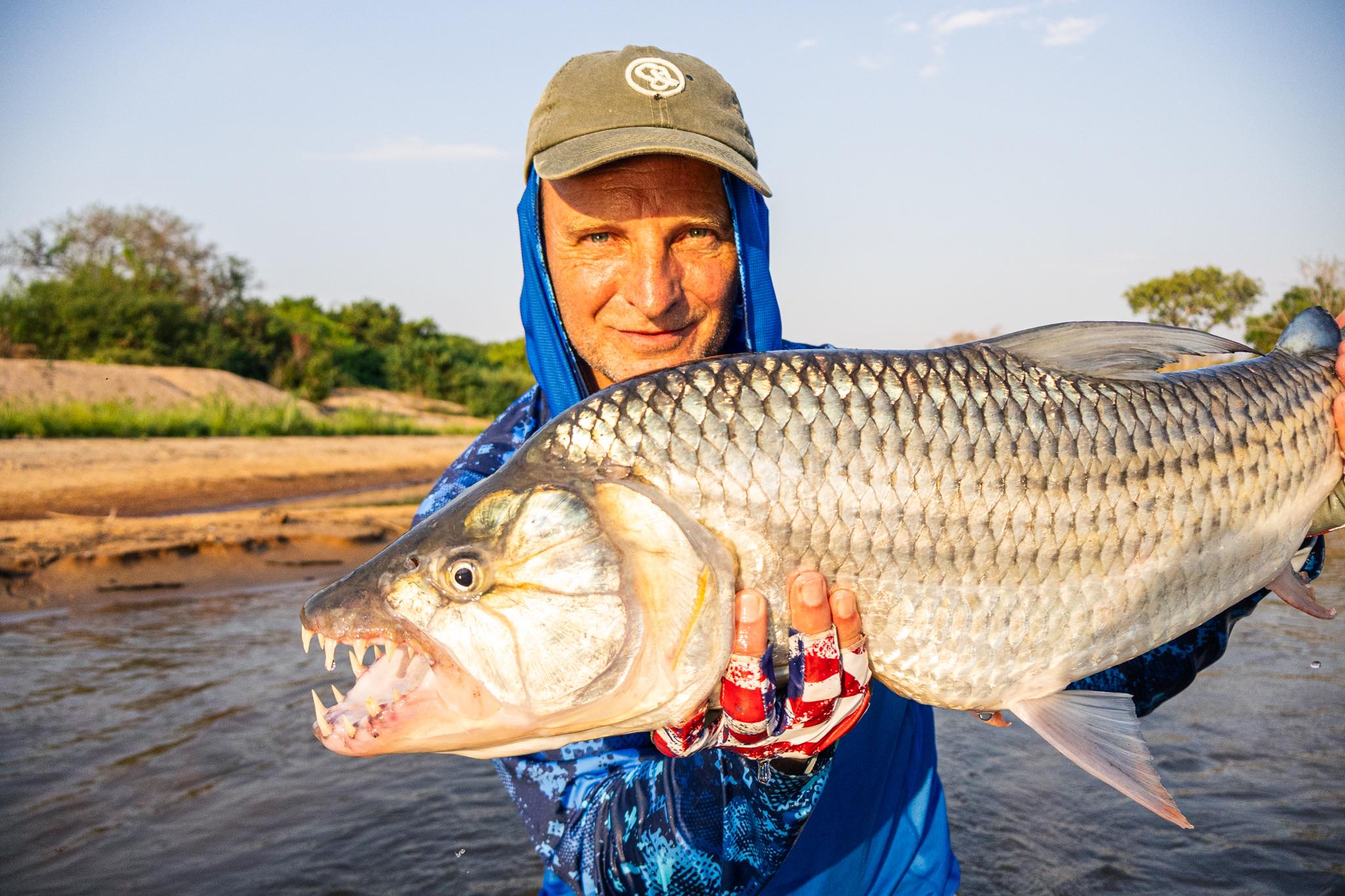
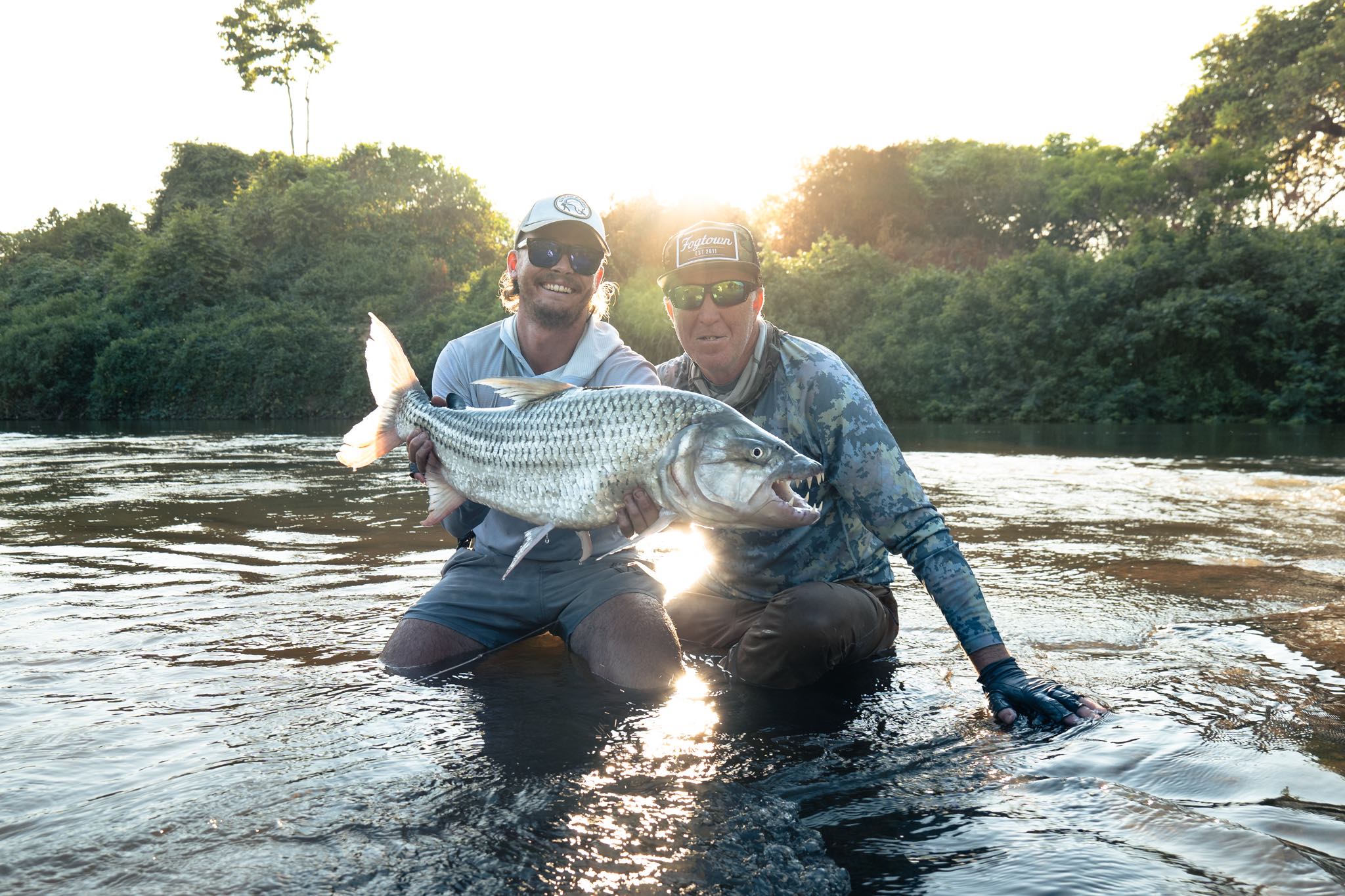
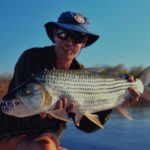
What followed was the kind of ending people travel across continents for. Blaede and his angler brought a flawless 20lb Tanzanian tigerfish to hand, right where Hollywood Rock has delivered so many times before. Cold drinks could wait.
Double-Ups That Test Your Footwork
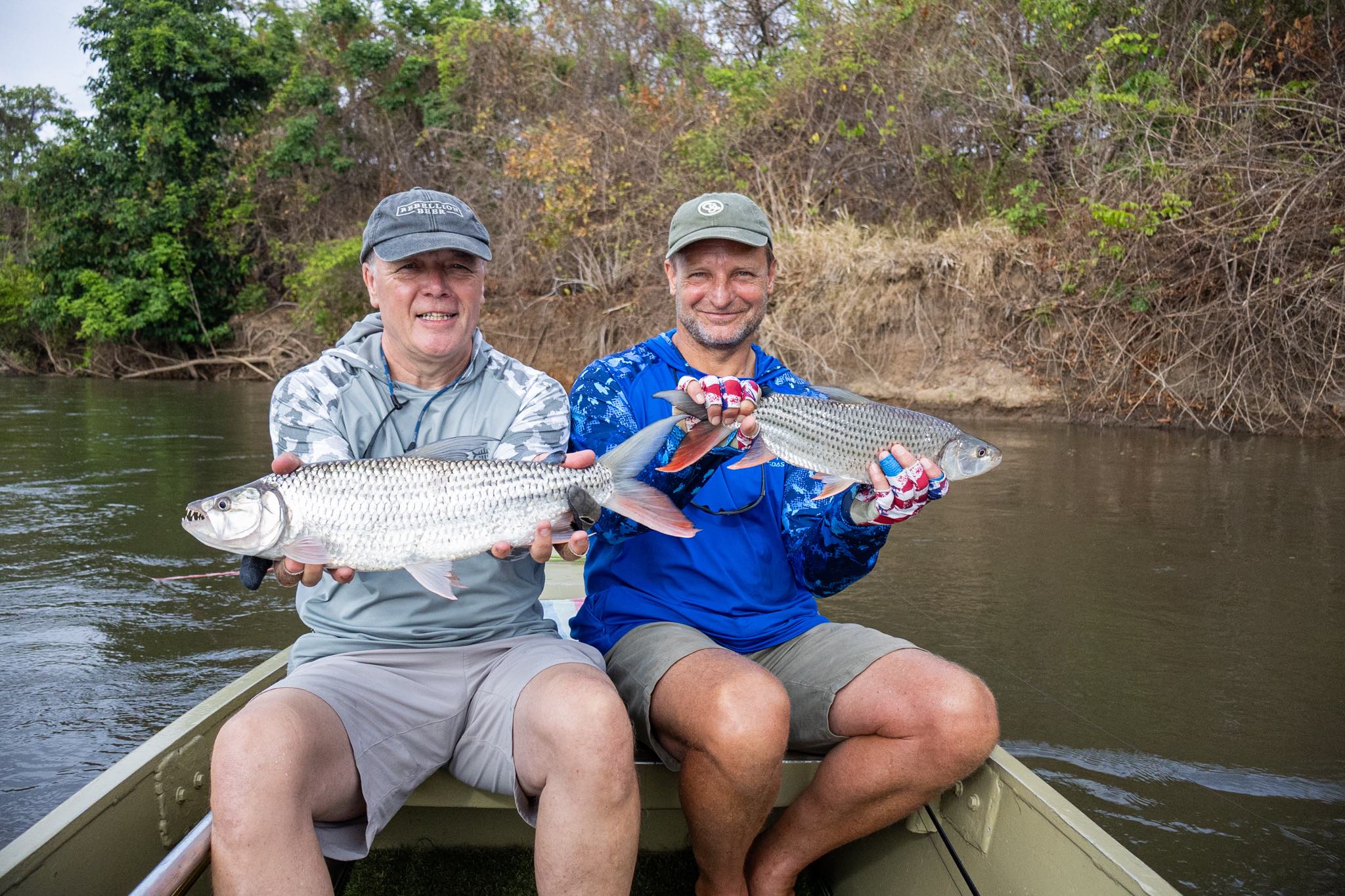
Tigerfishing usually means covering water and putting your time in. Double hook-ups are rare. On the lower Ruhudji beat, Jan and Chris went tight almost simultaneously.
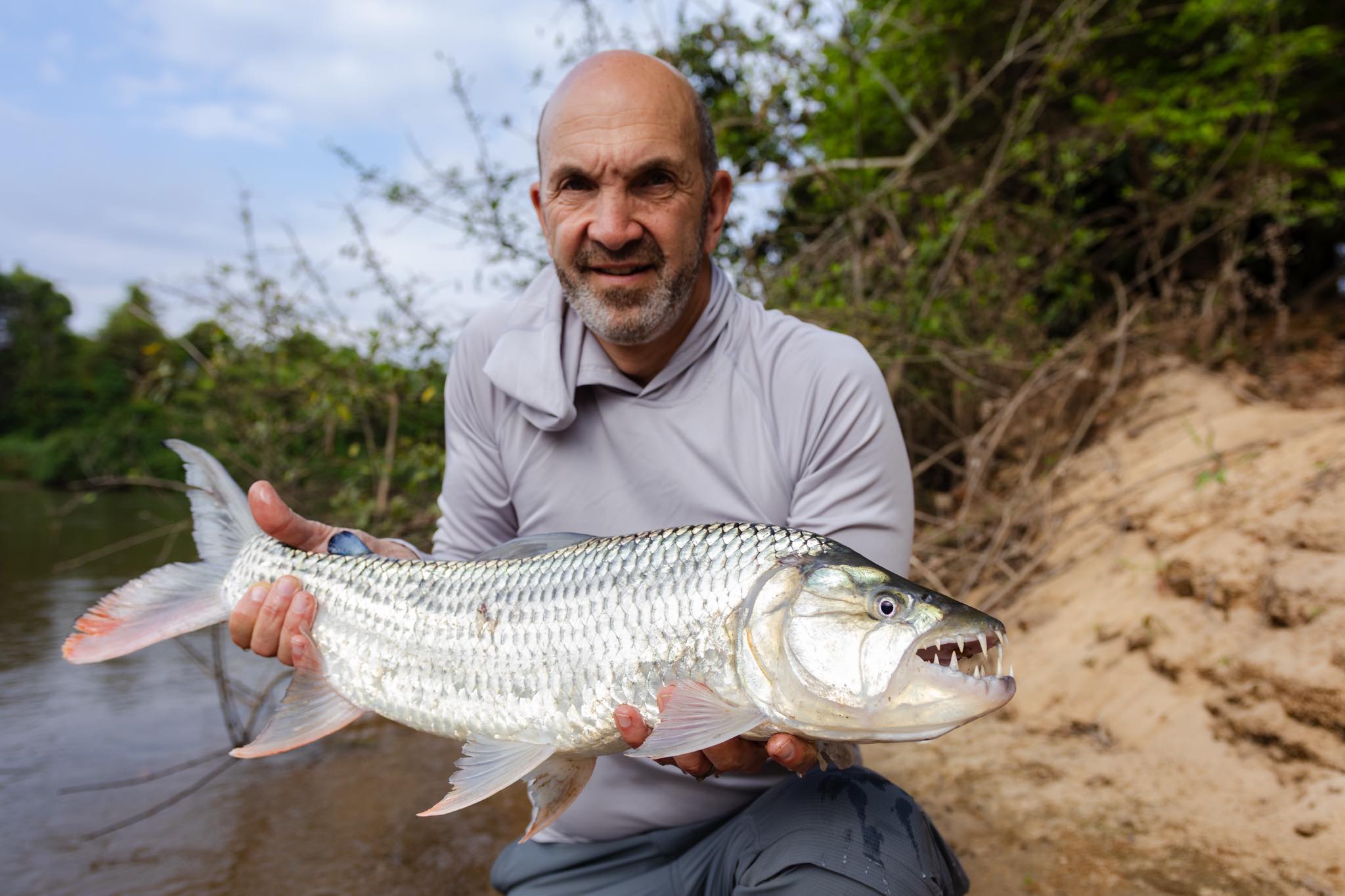
What followed was controlled chaos. Two anglers, two powerful fish, and very little room for error as lines crossed and fish changed direction. Somehow, both tigers ended up in the net. Seeing two of these fish side by side never gets old, no matter how many seasons you’ve spent here.
Rapids, Slips, and Doing It the Hard Way
Rapids days always demand more from you. On foot, on rocks, fully engaged. Yoram found himself in exactly that situation, fishing a rapid section known as Double Up.
A fly change to a black and purple Whistler brought instant action. Fish on, fish jumping, and then gravity intervened. A slip sent him onto his back, still stripping hard, refusing to give up contact. A few heartbreaks followed, fish jumping free and coming loose at the worst moments.
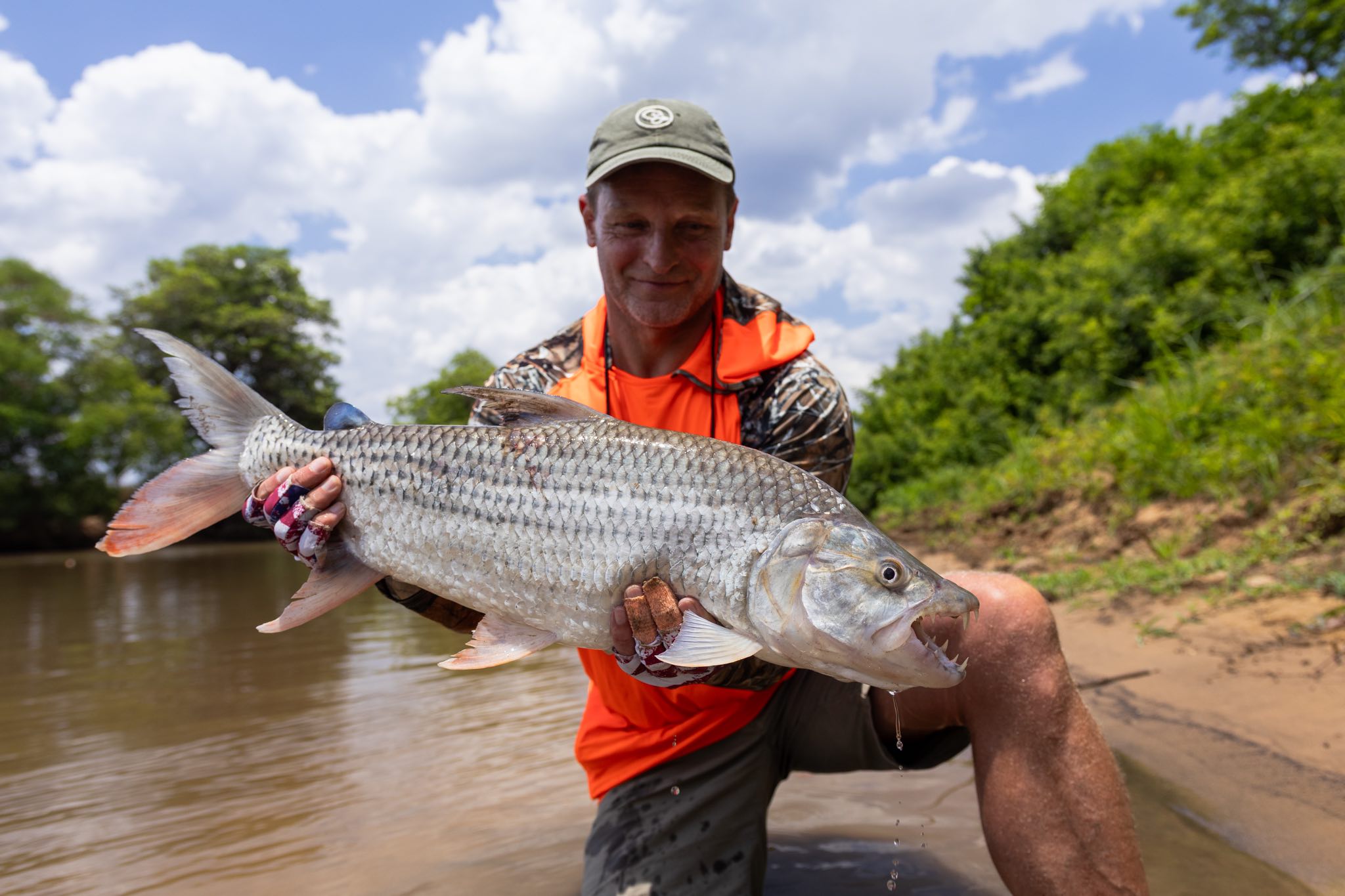
Then it clicked. Two proper fish landed from the rocks, one around 10lb and another closer to 12lb. Earned fish, the kind you feel for days afterwards.
Fly Changes That Matter
Deep holes don’t give up their secrets easily. After swinging a tan Brushy without result, Jan switched to a big black and red Puma. The very next cast stopped dead.
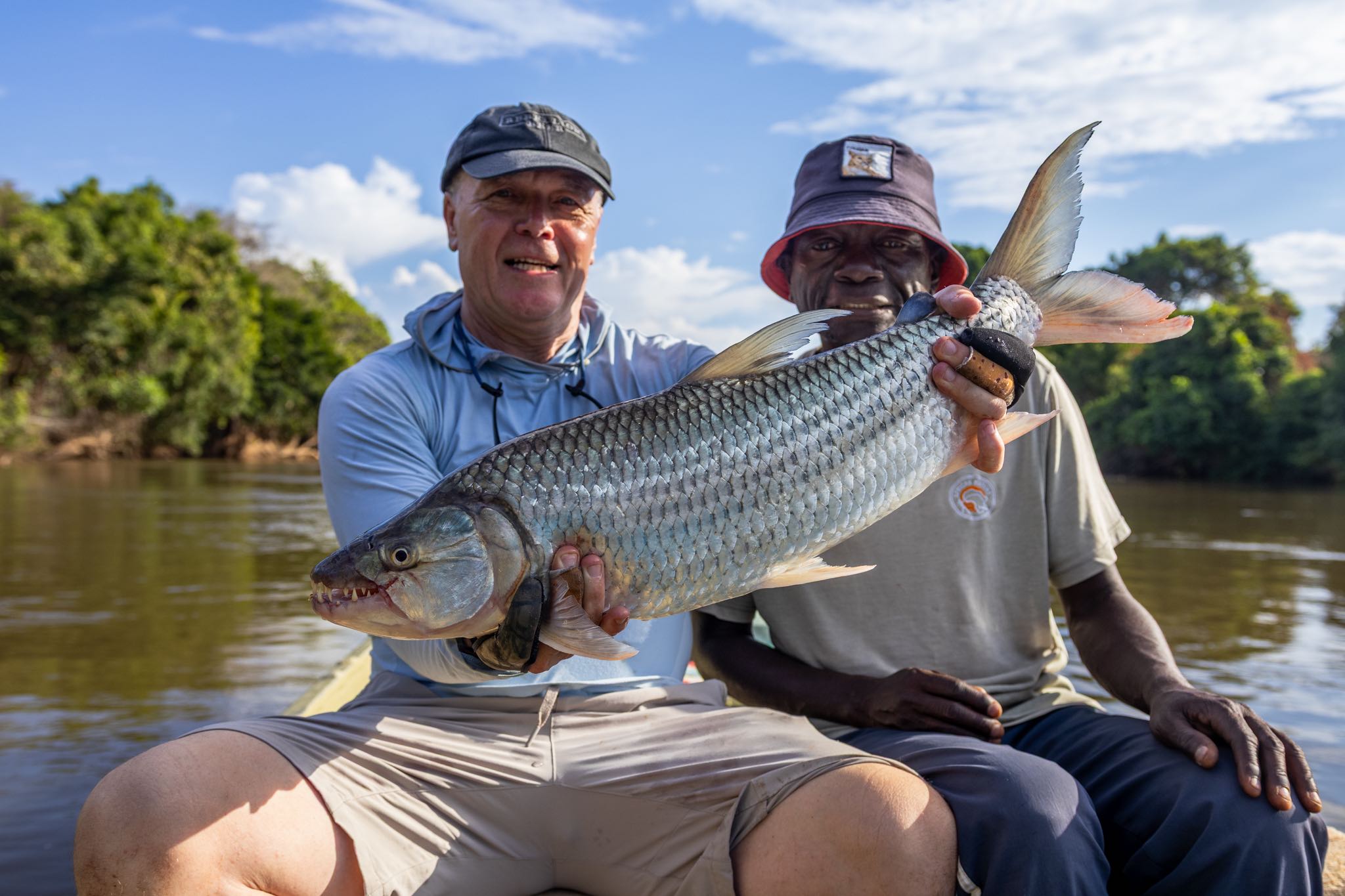
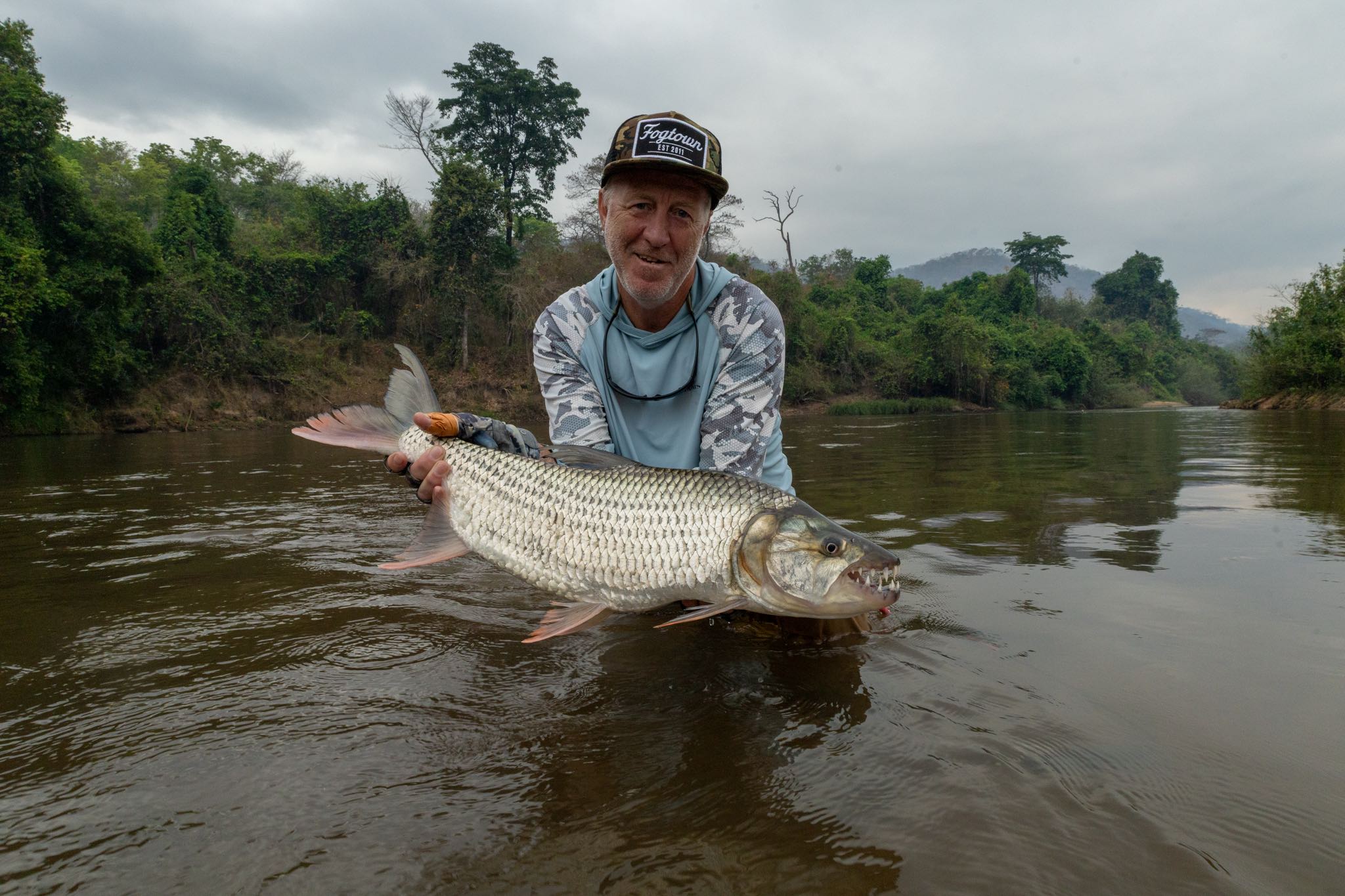
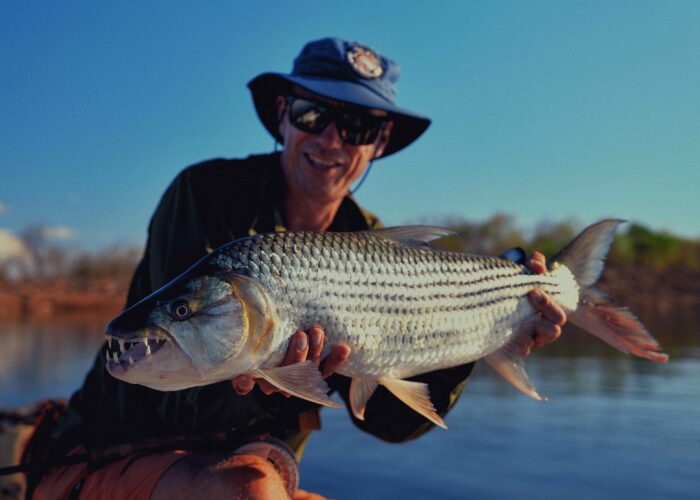
Explosions, long runs, airborne chaos, and a tiger that tested both tackle and stripping gloves followed. When the dust settled, a thick, aggressive 15lb fish came to the boat. Proof that small decisions still make big differences, even this late in the season.
One Week to Go
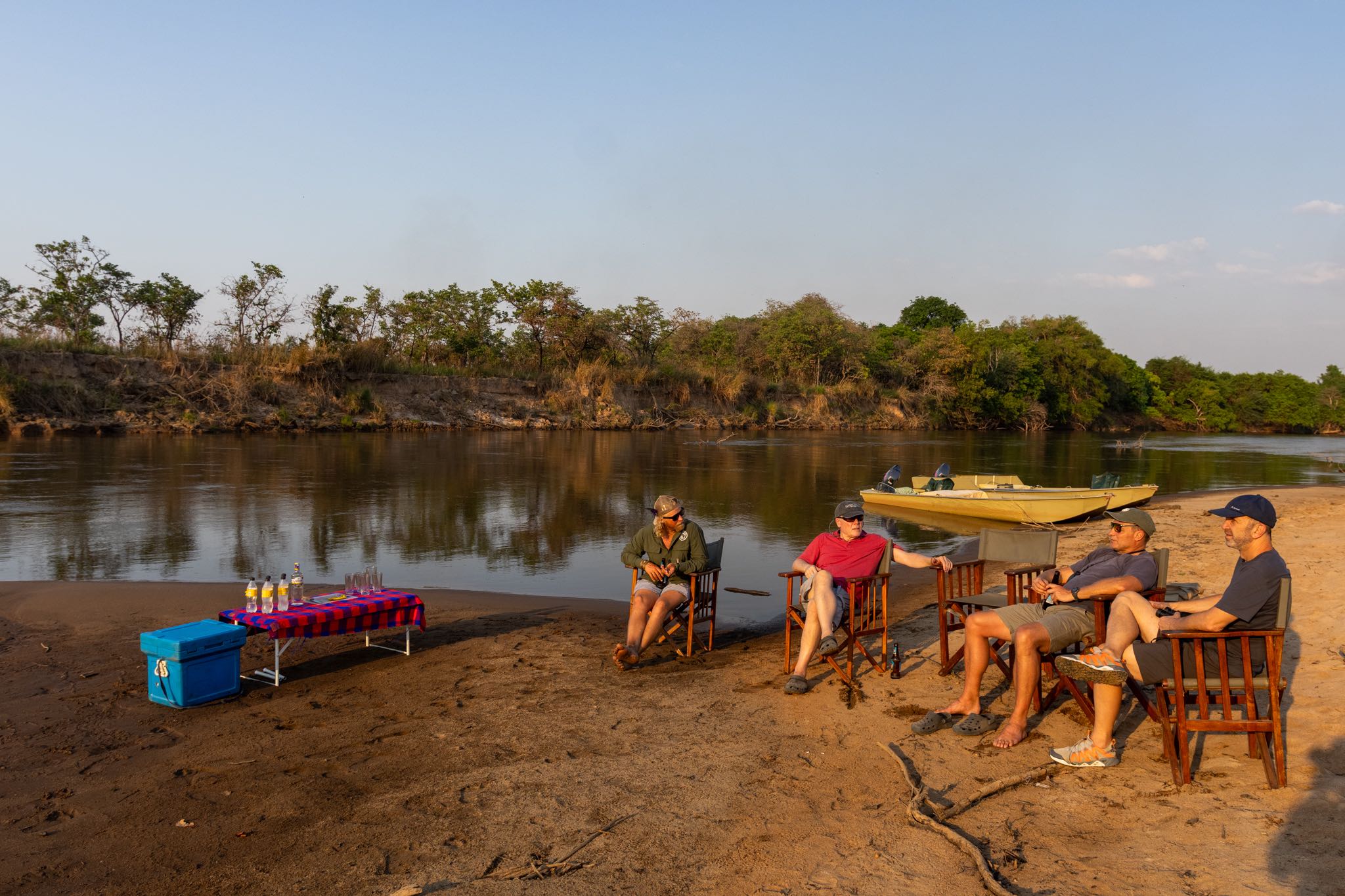
This was the second-last week of the season, and you could feel it in camp. The camaraderie was high, the fishing sharp, and the appreciation for the place deeper than ever. Weeks like this remind you that Safari Fishing isn’t just about numbers or trophies. It’s about timing, people, and being present when it all comes together.
The final week is still to come, and it deserves a proper send-off. If this week was the build-up, the last report will be the full stop.
If you want to experience Safari Fishing the way it’s meant to be done, now is the time to start planning. Get in touch, ask the questions, and make sure you’re part of a future season where the river still has a few surprises left for you.